| 💡 Strategy | 🔬 Why It Works for Seniors | ✅ How to Apply It | 📊 Expected Result |
|---|---|---|---|
| 💪 Resistance Training Rebuilds metabolic engine |
Reverses sarcopenia — the muscle loss that drops resting metabolic rate and allows fat accumulation | 2–3 sessions/week · Seated band exercises · Sit-to-stands · 20 min minimum | ~1.4% fat mass reduction from strength training alone (meta-analysis, University of NSW) |
| 🚶 Zone 2 Cardio Burns visceral fat directly |
Low-to-moderate intensity aerobic exercise preferentially oxidizes visceral fat as fuel over glucose | 30 min daily walking · 12-3-30 incline method · Japanese walking intervals · Stationary cycling | Measurable waist circumference reduction begins within 8–12 weeks of consistent daily walking |
| 🥗 Protein First + High Fiber Fixes insulin sensitivity |
Protein preserves fat-burning muscle; soluble fiber reduces visceral fat 4% per extra 10g/day over 5 years | 25–30g protein per meal · Legumes, oats, flaxseed daily · Replace refined carbs with whole foods | Spontaneous 441 calorie/day reduction + improved insulin sensitivity within 4–8 weeks |
| 🫒 Anti-Inflammatory Diet Reduces inflammation-driven fat storage |
Mediterranean pattern improves insulin sensitivity and reduces the chronic inflammation that promotes visceral fat | Extra virgin olive oil · Fatty fish 2x/week · Berries daily · Cut sugar and processed foods | CRP reduction measurable within 4–8 weeks; waist circumference reduction in 3–6 months |
| 😴 Sleep + Stress Control Lowers cortisol |
Cortisol directly directs fat to the abdomen. Poor sleep and chronic stress keep cortisol elevated regardless of diet and exercise | Same bedtime + wake time daily · 7–8 hours · Sauna 2–3x/week · Stress management | Cortisol normalization improves insulin sensitivity and reduces belly fat storage independent of other changes |
| 🚫 What Doesn’t Work Skip these |
Sit-ups and crunches (spot reduction is disproven) · Caloric restriction without protein (causes muscle loss) · Fat-burning supplements (no evidence for visceral fat) · Skipping meals (disrupts hunger hormones and reduces protein intake) | ||
Sources: Harvard Health · University of NSW meta-analysis · AARP / Cynthia Sass RD · Sixty and Me soluble fiber study · BetterMe sleep and visceral fat research | Waist measurement risk thresholds: >40 inches (men) / >35 inches (women)
If you’ve noticed your waistline expanding after 60 despite eating roughly the same and exercising the same amount — or even more — you’re not imagining it and you’re not doing something wrong. The biology of belly fat changes significantly with age, driven by hormonal shifts, accelerating muscle loss, and metabolic adaptations that make fat storage around the abdomen both more likely and more stubborn than it was at any previous decade.
The bad news is that this is genuinely harder after 60. The good news is that it is absolutely achievable — and the specific combination of interventions that the research supports for older adults is more targeted and more manageable than the generic weight loss advice that doesn’t account for aging physiology.
One more thing worth knowing before we start: belly fat after 60 is not just a cosmetic concern. Visceral fat — the fat that wraps around your internal organs, as opposed to the subcutaneous fat just under the skin — is metabolically active. It releases inflammatory proteins, disrupts insulin signaling, drives cardiovascular risk, and is independently associated with increased mortality even in people who are not technically overweight. A waist measurement of over 40 inches for men or 35 inches for women signals a clinically significant visceral fat burden regardless of your weight on the scale.
💡 Harvard Health: Lifestyle changes — not supplements or strict diets — are the most effective way to reduce visceral fat in older adults. The strategy that works combines resistance training, aerobic exercise, dietary protein, and reduced refined carbohydrates. All four together. Not one or two.
Why Belly Fat Increases After 60 — The 4 Root Causes
1. Hormonal Shifts Change Where Your Body Stores Fat
Testosterone decline in men and estrogen decline in women after menopause both drive fat redistribution toward the abdomen. Before menopause, women typically store fat in the hips and thighs — after, the pattern shifts toward the belly, matching male fat distribution. The direct relationship between declining testosterone and visceral fat accumulation in men is well established — as testosterone falls, visceral fat rises, which in turn further suppresses testosterone production, creating a compounding cycle.
2. Muscle Loss Slows the Metabolism That Burns Fat
After 60, adults lose 3–8% of muscle mass per decade — and that rate accelerates with age and inactivity. Muscle is metabolically expensive tissue. Losing it means your resting metabolic rate — the calories you burn doing nothing — drops significantly. The same diet that maintained your weight at 50 now produces slow, consistent weight gain at 65. This is not a willpower problem. It is a muscle problem.
3. Cortisol Rises — And Cortisol Stores Fat in the Abdomen
Chronic stress, poor sleep, and the aging stress response all elevate baseline cortisol levels. Cortisol is a fat-storage hormone — specifically, it directs fat storage toward the visceral compartment around the organs. Seniors who report poor sleep quality or high chronic stress consistently show higher waist circumferences than those with similar diets and activity levels but better stress and sleep management. The daily habits that compound into major health gains — including sleep consistency — address cortisol directly.
4. Insulin Resistance Makes Carbohydrates Store as Fat
Insulin sensitivity declines with age, visceral fat accumulation, and reduced muscle mass. As the body becomes less responsive to insulin, carbohydrates — especially refined ones — are more likely to trigger fat storage than energy production. This is why blood sugar management through diet becomes especially important after 60, and why the combination of dietary changes and resistance training is significantly more effective than either approach alone.
🔬 A meta-analysis of over 58,000 adults aged 65–74 found that a large waist circumference (over 40 inches for men, 35 inches for women) was associated with significantly increased all-cause mortality — even in individuals classified as having a ‘healthy’ body weight. Belly fat is a stronger mortality predictor than total body weight in this age group.
The Strategy That Actually Works — All 4 Components Together
1. 💪 Resistance Training — The Non-Negotiable Foundation
Crunches do not reduce belly fat. This has been tested directly: study participants who completed seven abdominal exercises five days per week for six weeks showed virtually no reduction in belly fat. Spot reduction does not work. What does work is full-body resistance training that rebuilds the muscle mass driving your resting metabolic rate.
A University of New South Wales meta-analysis found that strength training alone reduces fat mass by approximately 1.4% — comparable to cardiovascular exercise alone. Combining resistance and cardio produces the best outcomes. Two to three resistance training sessions per week targeting all major muscle groups is the research-backed minimum. The 5-minute micro strength session using a resistance band and chair is a direct, safe starting point — and the 10-minute chair exercise guide covers a full-body routine requiring nothing but a sturdy seat.
✅ Start this week: Two resistance sessions, 20 minutes each. Monday and Thursday. Focus on sit-to-stands, seated rows, and leg extensions — the three movements with the highest metabolic and functional payoff for seniors.
2. 🚶 Cardio — Specifically Zone 2 and Walking
Cardiovascular exercise is the primary driver of visceral fat reduction in research — but the type matters. Low-to-moderate intensity aerobic exercise sustained for 30+ minutes is more effective at targeting visceral fat than brief high-intensity bursts, because it preferentially oxidizes fat rather than glucose as fuel. This is the principle behind Zone 2 cardio — keeping your heart rate in a conversational range where fat is the primary fuel source.
Brisk daily walking is the most accessible and most researched form of belly-fat-targeting cardio for seniors. The 12-3-30 incline treadmill method — 12% incline, 3mph, 30 minutes — provides Zone 2 intensity with low joint stress. Japanese walking’s fast-slow interval approach alternates between higher and lower intensities to push the metabolic rate higher without excessive joint loading.
🔬 For every 10-gram increase in soluble fiber eaten per day, belly fat decreases by nearly 4% over five years — independent of overall caloric intake. Soluble fiber slows glucose absorption, feeds anti-inflammatory gut bacteria, and directly reduces visceral fat through insulin sensitivity improvement.
3. 🥗 Diet — Protein First, Fiber Second, Refined Carbs Out
You cannot out-exercise a bad diet — and after 60, the dietary changes that specifically target visceral fat are well-defined:
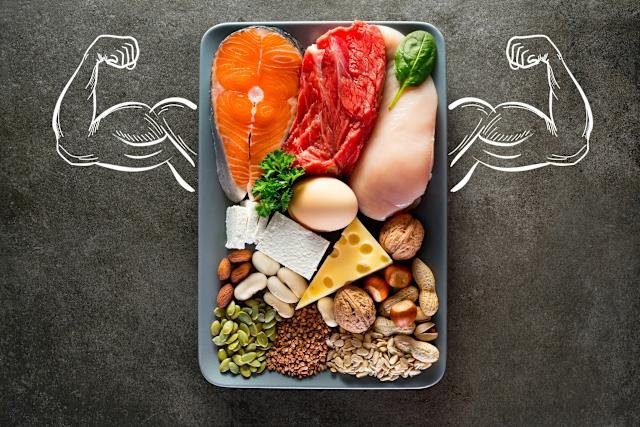
- Prioritize protein at every meal — 25–30g per meal, eaten before carbohydrates. The protein-first approach suppresses appetite hormones, preserves the muscle mass that drives fat burning, and directly counters the anabolic resistance that accelerates muscle loss after 60. Full targets: how much protein seniors actually need.
- Maximize soluble fiber — legumes, oats, flaxseed, and vegetables. Fibermaxxing is the practical application of this — targeting diverse, high-fiber whole foods daily to feed the gut bacteria that regulate insulin sensitivity and reduce visceral fat.
- Cut refined carbohydrates and sugar — white bread, pasta, pastries, sweetened drinks, and ultra-processed foods directly spike insulin and direct energy into fat storage. Replacing them with whole grains, legumes, and anti-inflammatory foods shifts the hormonal environment from fat-storage to fat-burning.
- Eat monounsaturated fats — avocado, extra virgin olive oil, nuts, and olive tapenade. Research shows these plant-based fats improve insulin sensitivity and reduce inflammation, both of which are directly linked to visceral fat accumulation. These are the same 5 foods seniors should eat every day that top the longevity research.
4. 😴 Sleep and Stress — The Hidden Belly Fat Drivers
Sleeping fewer than five hours per night is associated with significant weight gain — and specifically with visceral fat accumulation around the waistline. Sleep loss triggers cortisol elevation and disrupts ghrelin and leptin — the hunger hormones — making you feel hungry even when caloric needs are met.
Consistent sleep timing — same bedtime and wake time every day — is the single most impactful sleep intervention available, more effective than any supplement. Pairing it with the daily habits that regulate cortisol through movement, stress management, and social engagement addresses the hormonal root cause of belly fat accumulation that diet and exercise alone cannot fully resolve.
Heat therapy is worth noting specifically: sauna use 2–3 times per week has been shown in Finnish longevity research to reduce cortisol, improve insulin sensitivity, and support the cardiovascular adaptations that compound with exercise to reduce visceral fat.
What Doesn't Work — Approaches to Skip
- Sit-ups and crunches to target belly fat — spot reduction has been definitively disproved. They build abdominal strength but do not preferentially reduce belly fat.
- Caloric restriction alone — cutting calories without preserving muscle results in losing both fat and lean tissue, which further reduces metabolic rate and makes long-term fat loss harder, not easier.
- High-intensity exercise without appropriate recovery — excessive exercise in older adults elevates cortisol chronically, which drives visceral fat storage. See the exercises seniors should stop doing for the specific patterns to avoid.
- Fat-burning supplements — no supplement has meaningful evidence for visceral fat reduction in older adults. The research base for this category is consistently poor. The exception is creatine — not a fat burner, but it preserves the muscle mass that drives fat burning.
- Skipping meals — reduces total protein intake, accelerates muscle loss, and disrupts the appetite hormones that regulate fat storage. The goal is better-quality meals, not fewer meals.
💡 The most effective belly fat strategy for seniors is not a diet or a workout program. It is a consistent lifestyle pattern: resistance training 2–3x per week, 30+ minutes of daily walking, protein at every meal, fiber-rich whole foods, and 7–8 hours of consistent sleep. Done together, consistently, for months — not days.
Frequently Asked Questions
Is it possible to lose belly fat after 60?
Yes — absolutely. While the process is slower and requires a more targeted approach than in younger decades, belly fat loss after 60 is well-supported by research. Harvard Health confirms lifestyle changes — specifically combining resistance training, aerobic exercise, dietary protein increase, and refined carbohydrate reduction — are the most effective approach for reducing visceral fat in older adults. The key is understanding that all four components together produce significantly better results than any single intervention.
Why is belly fat so hard to lose after 60?
Four biological factors converge after 60: hormonal decline (reduced testosterone in men, reduced estrogen in women post-menopause), accelerating muscle loss that reduces resting metabolic rate, elevated cortisol from poor sleep and chronic stress, and declining insulin sensitivity that promotes carbohydrate-to-fat conversion. Addressing all four simultaneously — not just one — is what produces results.
What exercise is best for losing belly fat after 60?
The combination of resistance training and aerobic exercise consistently outperforms either alone. Resistance training rebuilds the muscle mass that drives resting metabolic rate. Aerobic exercise — particularly Zone 2 cardio like brisk walking — directly oxidizes visceral fat as fuel. Two resistance sessions and 30 minutes of daily walking per week is the evidence-based minimum.
Does the 30-30-30 rule help with belly fat?
Yes — the 30-30-30 rule (30g protein within 30 minutes of waking, followed by 30 minutes of low-intensity exercise) directly addresses two of the four root causes of belly fat after 60: protein intake and morning aerobic activity. The protein component supports muscle preservation which maintains metabolic rate; the morning walk provides Zone 2 cardio fat oxidation. It’s an effective foundational habit, particularly when combined with the broader anti-inflammatory dietary pattern throughout the day.
What should seniors eat to lose belly fat?
The dietary approach with the strongest evidence for visceral fat reduction is: high protein (25–30g per meal from lean meats, fish, eggs, legumes, and dairy), high soluble fiber (legumes, oats, vegetables, flaxseed), monounsaturated fats (olive oil, avocado, nuts), and minimal refined carbohydrates and sugar. The Mediterranean dietary pattern incorporates all of these simultaneously and has the most consistent evidence base for reducing visceral fat across multiple large-scale trials.
How long does it take to lose belly fat after 60?
Measurable waist circumference reduction typically begins within 8–12 weeks of consistently applying resistance training, aerobic exercise, and dietary changes simultaneously. Significant visceral fat reduction — enough to move health risk markers — generally takes 3–6 months of sustained effort. The process is slower than in younger adults, but the health gains are proportionally as large, and often larger, because the baseline risk is higher.
Does cortisol cause belly fat in seniors?
Yes — cortisol is one of the primary drivers of visceral fat accumulation after 60. It is released in response to poor sleep, chronic stress, and overtraining. It specifically directs fat storage toward the abdominal region. Addressing cortisol through consistent sleep timing, stress management, avoiding excessive exercise intensity, and sauna therapy (which has been shown to reduce cortisol and improve insulin sensitivity) is as important as diet and exercise for belly fat reduction in older adults.
Can micro workouts help lose belly fat after 60?
Yes — micro workouts for seniors address belly fat through two mechanisms: they reduce the extended sitting time that independently elevates insulin resistance and cortisol, and they provide the frequent resistance and cardio stimulus that maintains the muscle mass driving resting metabolic rate. Three 5-minute sessions daily is metabolically equivalent to a longer single session for many older adults — and significantly more sustainable as a long-term habit.
The Short Version
Belly fat after 60 has four root causes: hormonal decline, muscle loss, elevated cortisol, and declining insulin sensitivity. The strategy that addresses all four:
- Resistance training 2–3x per week — rebuilds muscle mass and resting metabolic rate. Start here.
- 30+ minutes of daily walking — Zone 2 cardio preferentially oxidizes visceral fat. The 12-3-30 method and Japanese walking both work.
- Protein at every meal — 25–30g, protein first before carbohydrates. Preserves the muscle that burns the fat.
- High fiber, anti-inflammatory foods — Mediterranean dietary pattern, soluble fiber from legumes and oats, and minimal refined carbohydrates.
- Consistent sleep and stress management — cortisol reduction is as important as diet. Same bedtime and wake time every day.
No single intervention produces significant results alone. All five together, maintained consistently for 3–6 months, is the approach the research supports. Build this as a sustainable lifestyle pattern — not a 30-day program.
Related reading:
- Why Sarcopenia Is the Greatest Threat to Senior Independence — The Muscle-Fat Connection
- Testosterone and Aging — The Hormonal Root Cause of Male Belly Fat After 60
- Zone 2 Cardio for Seniors — The Science-Backed Cardio That Targets Visceral Fat
- The 12-3-30 Treadmill Workout — The 30-Minute Walking Method That Burns Belly Fat
- Japanese Walking — The 2-Speed Interval Method for Metabolic Fat Burning
- Seated Resistance Band Exercises for Seniors — The Fat-Burning Strength Foundation
- The Protein-First Rule — Eat This Way to Preserve Muscle and Reduce Fat Storage
- The Best Protein Sources for Seniors — Fuel Your Metabolism
- Fibermaxxing — How Soluble Fiber Directly Reduces Visceral Fat Over Time
- The Anti-Inflammatory Diet for Seniors — The Dietary Pattern With the Strongest Evidence
- 5 Foods Seniors Should Eat Every Day — The Longevity and Belly Fat Foundation
- 10 Small Daily Habits That Compound Into Major Health Gains After 60
- Sauna for Seniors — Heat Therapy, Cortisol Reduction, and Metabolic Health
- Micro Workouts for Seniors — 5-Minute Sessions That Fight Belly Fat All Day
- The 7 Longevity Habits of People Who Stay Healthy Into Their 80s and Beyond