| 💪 Micro Workout Type | ⏱️ Time Needed | ✅ What It Does | 📍 Where to Start |
|---|---|---|---|
| Strength | 5 min | Preserves muscle mass, protects bone density, reduces fall risk | Chair sit-to-stands, seated resistance band rows |
| Cardio | 5–10 min | Lowers blood sugar after meals, improves heart health, boosts mood | Brisk walk after each meal, 3x per day |
| Balance | 90 sec | Reduces fall risk — most critical single exercise for seniors over 65 | Single-leg standing near a counter, 30 sec each side |
| Mobility | 3–5 min | Reduces morning stiffness, improves joint range of motion, prevents pain | Hip circles, shoulder rolls, ankle rotations on waking |
| Daily target | 15–20 min total | 3 sessions of 5–10 min spread across the day = full daily activity dose | Start with 1 session. Add one per week. |
Sources: Society of Behavioral Medicine | BMC Public Health (2026) | Frontiers in Medicine (2026) | NYU Langone Health
The biggest barrier to exercise for most seniors isn’t motivation — it’s the belief that exercise has to be long to count. A 45-minute gym session. A 30-minute walk. An hour of chair yoga. The all-or-nothing mentality that has kept millions of older adults sedentary is being dismantled by research showing that short, frequent bouts of movement scattered throughout the day produce real, measurable health benefits — and in some cases outperform a single longer session.
These are micro workouts for seniors — exercise sessions of 3–10 minutes, done multiple times per day, that accumulate into meaningful activity without the time commitment, fatigue, or injury risk of traditional exercise programs. They require no equipment, no gym, and no changing clothes. Just a few minutes and the knowledge that those minutes are doing real work.
💡 The Society of Behavioral Medicine confirms: a 10-minute workout three times per week increased endurance by nearly 20% in older adults. A 2026 study in BMC Public Health found that 3-minute micro-exercise breaks every hour reduced post-meal blood sugar by a clinically significant amount over 12 weeks. Small is not nothing — small is often enough.
What Are Micro Workouts — And Why Do They Work?
A micro workout is any intentional bout of physical activity lasting between 2 and 10 minutes. Also called exercise snacks or movement breaks, they work through a principle called exercise accumulation — the body doesn’t distinguish between one 30-minute session and six 5-minute sessions. The physiological stimulus is similar, and so are the results.
For seniors specifically, micro workouts solve several problems at once. They reduce the extended sitting time that independently increases insulin resistance and cardiovascular risk regardless of how much formal exercise you do. They provide frequent signals to preserve muscle tissue throughout the day. And they’re far easier to maintain as a long-term habit because there’s no psychological barrier to starting a 5-minute session.
🔬 Frontiers in Medicine, January 2026: Multicomponent exercise programs in older adults showed 20–40% improvement in chair stand performance and measurable gains in balance and gait speed. Crucially, interventions lasting more than 12 weeks with high adherence showed the best results — and micro workout formats have consistently higher adherence than longer sessions.
The 4 Types of Micro Workouts Every Senior Should Know
1. 💪 Strength Micro Workouts — 5 Minutes, Major Muscle Stimulus
A single set of chair-based resistance exercises — sit-to-stands, seated rows with a resistance band, wall push-ups — takes under 5 minutes and provides a direct muscle preservation signal to the body. Done 2–3 times per day, this accumulates to the equivalent of a full resistance training session. See Part 3 of this series for the complete 5-minute strength micro workout routine.
2. 🚶 Cardio Micro Workouts — Walk More, Sit Less
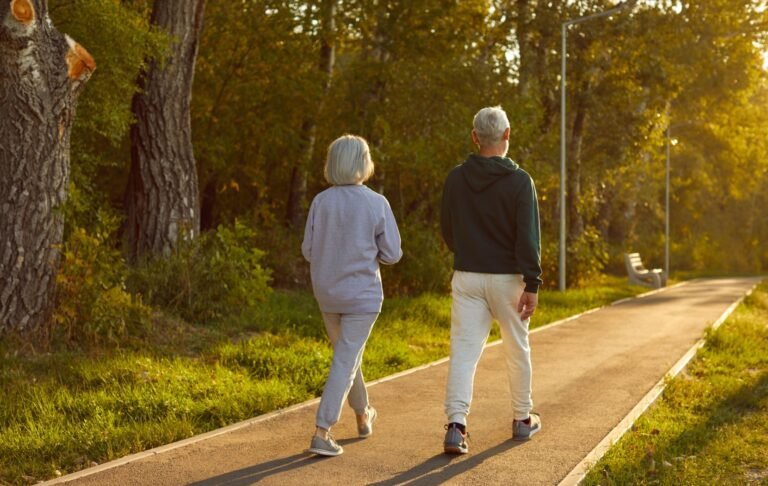
A 5-minute brisk walk after each meal is one of the most research-backed interventions for blood sugar control available. Three post-meal walks per day = 15 minutes of purposeful cardio with measurable metabolic benefits. For those ready to elevate the cardiovascular stimulus, applying Japanese walking’s fast-slow intervals even for 10 minutes produces outsized cardiovascular gains.
3. ⚖️ Balance Micro Workouts — 90 Seconds That Saves Lives
Single-leg standing near a kitchen counter, heel-to-toe walking down a hallway, or standing on a folded towel while brushing teeth — these balance micro workouts directly reduce fall risk, the leading cause of injury-related death in adults over 65. They require no time block, no equipment, and can be threaded into existing daily routines. Part 4 of this series covers the full balance micro workout progression.
4. 🧘 Mobility Micro Workouts — Keep Moving Without Pain
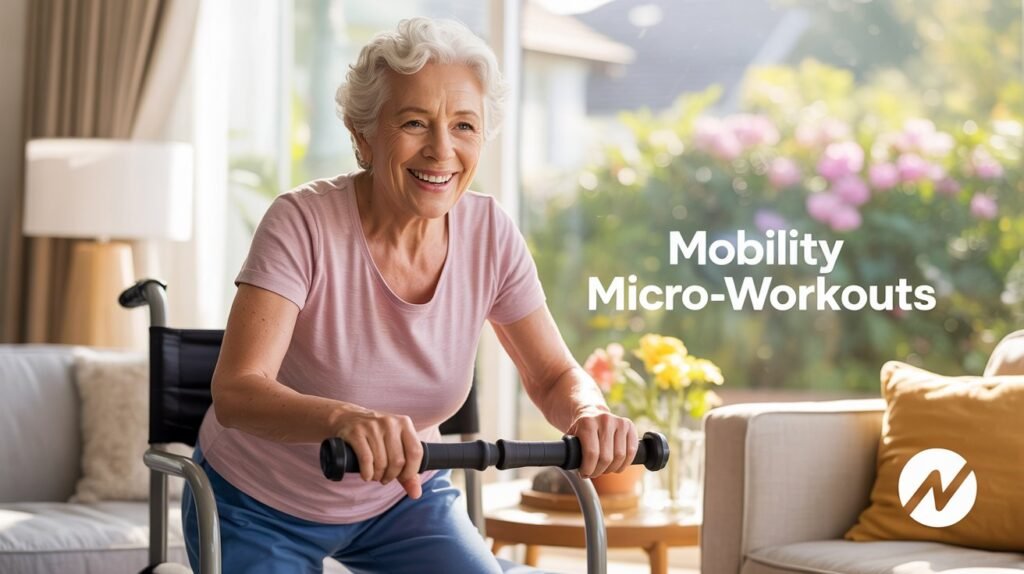
Gentle hip circles, shoulder rolls, ankle rotations, and supported calf stretches done for 3–5 minutes upon waking address the morning stiffness that stops many seniors from moving at all. Improving joint mobility through micro sessions throughout the day keeps connective tissue supple and reduces the chronic pain that makes larger exercise sessions feel impossible.
✅ Start today: Pick ONE type above. Set a phone alarm for 9am, 1pm, and 4pm. Each alarm = one 5-minute micro workout. That’s 15 minutes of daily exercise built into your day without changing a single routine.
How to Build the Micro Workout Habit — Without Burning Out
The research on habit formation is clear: the smaller the starting action, the higher the likelihood it becomes automatic. Micro workouts are designed exactly for this. The goal in Week 1 is not fitness — it’s building the trigger that makes movement automatic.
- Week 1 — One 5-minute micro workout per day. Same time, same place. Don’t think about intensity.
- Week 2 — Add a second session. Morning and afternoon.
- Week 3–4 — Add a third. Morning, post-lunch, and evening.
- Month 2 onward — Mix types. Combine with daily habits for compound health gains.
Pair micro workouts with adequate protein intake — particularly the 25–30g at each meal that maximizes the muscle-building signal those strength micro workouts trigger. Exercise without protein is half the equation.
💡 NYU Langone research found that exercise in middle-aged and older adults produced 50% higher dopamine release in the brain compared to sedentary controls — improving movement speed, coordination, and motivation. Every micro workout you do makes the next one easier to start.
Frequently Asked Questions
Do micro workouts actually work for seniors?
Yes — the research is consistent. Short bouts of exercise accumulate the same physiological benefits as longer sessions when frequency is maintained. A 10-minute workout three times per week improved endurance by 20% in older adults. The key advantage for seniors is adherence — micro workouts are dramatically easier to maintain long-term than 45-minute gym sessions.
How many micro workouts should a senior do per day?
Three sessions of 5–10 minutes each is a practical and evidence-based target — morning, midday, and afternoon. This provides sufficient stimulus for muscle preservation, cardiovascular health, and blood sugar regulation across the day. Start with one and build gradually.
What's the best micro workout for seniors who are completely out of shape?
Start with seated exercises — chair-based movements that require no balance, no floor work, and no equipment. Five seated marches, five seated knee extensions, and five seated arm raises is a legitimate starting micro workout. The goal is to move, not to exhaust.
Can micro workouts replace a full exercise routine?
For completely sedentary seniors, micro workouts are a superior starting point because they build the habit infrastructure that makes more exercise possible over time. For seniors who already train, micro workouts supplement existing routines by reducing sitting time, adding movement frequency, and supporting recovery between sessions.
What comes next in this series?
Part 2 covers the complete 5-Minute Morning Micro Workout Routine for seniors — a specific, sequenced session you can do before leaving bed. Part 3 covers strength-focused micro workouts using resistance bands and a chair. Part 4 covers balance and fall prevention micro workouts — the 90-second daily practice with the strongest mortality evidence.
The Short Version
Micro workouts for seniors are 3–10 minute exercise sessions done multiple times per day. The research confirms they produce real results:
- 20% endurance improvement from 10-minute sessions 3x per week
- Significant blood sugar reduction from 3-minute movement breaks every hour
- Higher long-term adherence than traditional longer sessions
- Four types to choose from: strength, cardio, balance, and mobility — all doable at home in under 10 minutes
Start with one 5-minute session daily. Build to three. Pair with daily nutrition habits for compound results. The rest of this series gives you the exact sessions to follow.
📌 Coming up in this series:
- Part 2: The 5-Minute Senior Morning Micro Workout — se7ensymbols.com/micro-workouts-for-seniors-part-2
- Part 3: Micro Workouts for Strength — Resistance Band Edition — se7ensymbols.com/micro-workouts-for-seniors-part-3
Part 4: Micro Workouts for Balance and Fall Prevention — se7ensymbols.com/micro-workouts-for-seniors-part-4
Related reading:
- Seated Resistance Band Exercises for Seniors — The Strength Foundation
- Chair Workouts for Seniors — Build Strength Without the Floor
- Functional Fitness for Seniors — The 6 Movement Patterns That Keep You Independent
- Japanese Walking — The 30-Minute Cardio Method Perfect Between Micro Sessions
- 10 Small Daily Habits That Compound Into Major Health Gains After 60
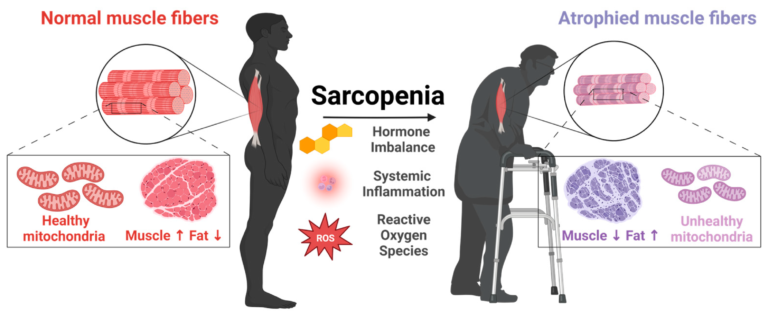
- Sarcopenia — Why Frequent Movement Signals Matter More Than You Think
- Top 5 Exercises Seniors Should STOP Doing — And What to Do Instead
⚠️ Medical Disclaimer: This article is for informational and educational purposes only and does not constitute medical advice. Always consult your physician before beginning any new exercise program, particularly if you have a cardiovascular condition, joint replacement, osteoporosis, or other chronic health condition.