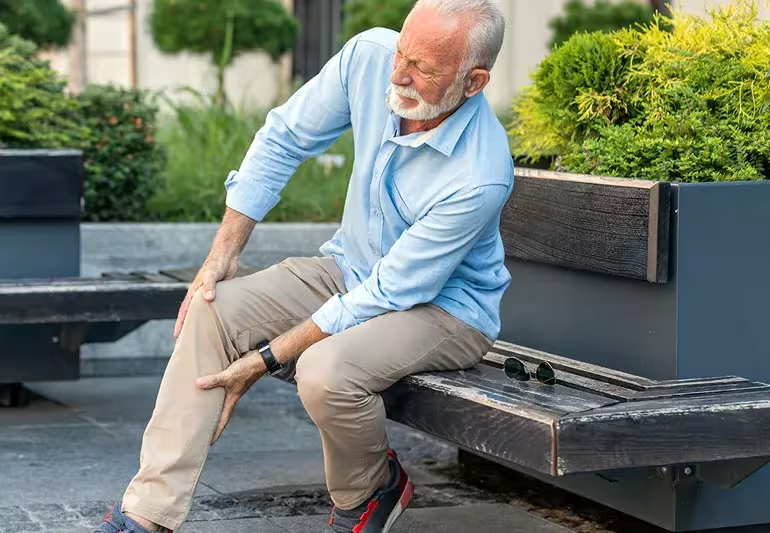
Joint pain is one of the most widespread health challenges facing seniors. Osteoarthritis — the most common form — affects an estimated 595 million people worldwide, with prevalence rising sharply after 60. Rheumatoid arthritis, gout, bursitis, and general joint inflammation add millions more. For many seniors, joint pain isn’t a background ache — it’s a daily barrier to movement, sleep, independence, and quality of life.
Medication is one tool. NSAIDs reduce inflammation and pain in the short term. But long-term use carries real trade-offs: gastrointestinal damage, kidney stress, elevated cardiovascular risk, and in older adults, a higher risk of drug interactions with other medications. Many seniors manage joint pain with drugs not because it’s the best option available — but because nobody has told them what else actually works.
A March 2025 analysis published in ScienceDaily — drawing on osteoarthritis research from across the world — found that the most powerful treatment for osteoarthritis isn’t a drug at all. It’s exercise. And the research behind the other approaches on this list is equally compelling. None of these require a prescription, a specialist, or significant expense. They require consistency.
💡 The Arthritis Foundation states clearly: ‘It’s hard to overestimate the benefits of a healthy, anti-inflammatory eating plan’ — and hundreds of studies show that exercise, nutrition, heat therapy, and key supplements can all meaningfully reduce pain and improve function in seniors with joint conditions.
1. 🏃 Move More — Especially Low-Impact Resistance and Cardio — The counterintuitive truth about joint pain and exercise
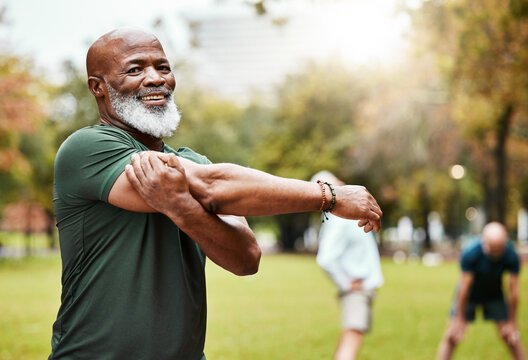
The single most evidence-backed intervention for joint pain reduction isn’t in a pill bottle — it’s movement itself. This is counterintuitive for many seniors, who avoid exercise during pain flares believing rest is protective. The research consistently shows the opposite: inactivity accelerates joint deterioration, while appropriate exercise reduces pain, improves function, and slows the progression of osteoarthritis.
Exercise reduces joint pain through multiple mechanisms:
- Strengthens the muscles that surround and protect joints — reducing the mechanical load on cartilage itself. Every pound of muscle gained around the knee reduces compressive joint force meaningfully
- Stimulates the production of synovial fluid — the joint’s natural lubricant, which nourishes cartilage and reduces friction. Cartilage has no blood supply; it receives nutrients almost entirely through this fluid, which is only produced during movement
- Reduces systemic inflammation — the chronic low-grade inflammatory state that drives joint damage in both osteoarthritis and rheumatoid arthritis. Exercise is one of the most powerful natural anti-inflammatory interventions available
- Supports weight management — and the Arthritis Foundation’s data is stark: every pound of weight lost provides four pounds of load reduction on the knees
🔬 ScienceDaily, March 2025: Movement nourishes cartilage, strengthens muscles, reduces inflammation, and reshapes the biological processes driving joint damage — making it the most powerful treatment for osteoarthritis that millions are not using.
For seniors with joint pain, the key is low-impact exercise that builds strength and maintains cardiovascular health without loading compromised joints through impact. The best options:
- Seated resistance band exercises — full-body strength training with zero floor work, zero impact, and full control over range of motion
- Chair workouts — builds leg and core strength in the safest possible position
- Incline treadmill walking — cardiovascular conditioning without the ground-impact forces of running
- Water aerobics — buoyancy offloads up to 90% of body weight, making movement virtually impact-free while still strengthening muscles and raising heart rate
⚠️ If you have severely arthritic joints or are post-surgical, get cleared by your physician or physiotherapist before starting a new exercise program. The type and intensity of exercise matters — and a professional can help you find the right starting point for your specific condition.
✅ Start today: Do 10 minutes of seated resistance band exercises or a gentle 15-minute walk. This is the highest-impact single change on this list.
2. 🥗 Adopt an Anti-Inflammatory Diet — Food as medicine — with a robust evidence base
The food you eat either turns down or turns up your body’s inflammatory response — and chronic inflammation is the direct biological driver of joint pain in both osteoarthritis and rheumatoid arthritis. Changing dietary patterns doesn’t eliminate joint damage already done, but it meaningfully reduces the inflammatory activity that makes existing joint problems painful.
A 2021 meta-analysis of seven randomized controlled trials examining anti-inflammatory eating patterns — including Mediterranean, vegan, vegetarian, and ketogenic diets — found that all of them produced significant reductions in pain. A 2024 PMC review confirmed that diets high in omega-3 fatty acids and plant polyphenols significantly reduced both pain and physical function impairment in people with joint conditions.
The foods most consistently linked to joint pain reduction in the research:
- Fatty fish (salmon, sardines, mackerel): Rich in EPA and DHA omega-3s — the most direct dietary source of anti-inflammatory lipid mediators. Two servings per week is the minimum associated with meaningful effect
- Extra virgin olive oil: Contains oleocanthal, which inhibits the same inflammatory enzymes as ibuprofen through a similar mechanism — without gastrointestinal side effects
- Berries and dark leafy greens: High in anthocyanins and polyphenols that reduce inflammatory cytokines — the chemical signals that drive joint inflammation
- Turmeric (curcumin): Multiple systematic reviews show curcumin reduces pain comparably to some NSAIDs in knee osteoarthritis. Absorption requires black pepper (piperine) — look for supplements that include it, or cook with both
- Foods to avoid: Ultra-processed foods, refined sugars, and seed oils. A 2025 NHANES analysis found each 10% increase in ultra-processed food consumption was associated with 4% higher odds of arthritis — a dose-dependent relationship
🔬 Arthritis Foundation, 2025: Hundreds of studies show a mostly plant-based, anti-inflammatory diet can significantly cut inflammation and pain. Most anti-inflammatory dietary patterns have proven effective for chronic pain in RCTs.
The full guide to building this dietary pattern is in our Anti-Inflammatory Diet for Seniors — which covers the Mediterranean approach in depth alongside the specific foods with the strongest joint-pain evidence.
✅ Start today: Replace your cooking oil with extra virgin olive oil. Add a can of sardines or a salmon fillet to this week’s meals. These two changes alone move the dial.
3. 🌡️ Use Heat and Cold Therapy Strategically — Two tools, two different jobs — most people use them backwards
Heat and cold therapy are among the most accessible, least expensive, and most underutilized pain management tools available to seniors. Both work — but they work for different things, and using the wrong one at the wrong time produces disappointing results or makes pain temporarily worse.
Heat Therapy — for stiffness and chronic ache
Heat increases blood flow to the joint, relaxes surrounding muscles, loosens connective tissue, and stimulates the production of synovial fluid. It is most effective for:
- Morning stiffness — the classic arthritic stiffness that makes the first hour of the day painful
- Chronic, persistent aching in joints that aren’t acutely inflamed
- Before exercise — warming up stiff joints before movement reduces injury risk and improves range of motion
Best heat sources: a warm bath or shower (raising joint temperature while relaxing the whole body), a heating pad applied for 15–20 minutes, warm paraffin wax baths for hand arthritis, or a warm pool for full-body joint relief. Sauna use — which raises core body temperature and promotes whole-body circulation — has specific research support for reducing rheumatic pain and stiffness. Our sauna guide for seniors covers this in detail.
Cold Therapy — for acute flares and post-exercise swelling
Cold reduces blood flow to the area, decreasing swelling and numbing the pain signal. It is most effective for:
- Acute joint flares — a joint that is red, swollen, and hot to the touch
- Post-exercise soreness — applied in the 24–48 hours after exercise that has left joints tender
- The first 48–72 hours after a joint injury or strain
Best cold sources: an ice pack or frozen gel pack wrapped in a thin cloth (never applied directly to skin), applied for 15–20 minutes at a time. Alternating hot and cold — 10 minutes of each — is particularly effective for chronic conditions with intermittent flares, as it creates a pumping effect in the circulatory and lymphatic systems around the joint.
💡 The Arthritis Foundation recommends cold for flares and post-exercise, heat for chronic stiffness and before activity — and notes that alternating both can outperform either alone for ongoing joint conditions. The biggest mistake: using heat on an acutely inflamed, swollen joint, which increases swelling
✅ Start today: Tonight before bed, apply a heating pad to your most painful joint for 15 minutes. Tomorrow morning, notice whether the stiffness takes less time to ease.
4. 💊 Take the Right Supplements — and Skip the Ones That Don't Work — The honest evidence on what actually helps
The joint supplement market is enormous and mostly disappointing — but there are a handful of compounds with genuinely strong research behind them. The key is knowing which ones have real evidence and which are expensive placebos.
Supplements with solid evidence for joint pain:
- Omega-3 fatty acids (EPA + DHA): The strongest dietary supplement evidence for joint inflammation. A 2024 meta-analysis of 8 RCTs found that diets high in omega-3s significantly reduced pain and improved physical function in people with joint conditions. If you don’t eat fatty fish 2–3 times per week, 1,000–2,000mg combined EPA+DHA daily is the research-backed dose
- Glucosamine sulfate: A 2024 meta-analysis of 25 RCTs found glucosamine significantly slowed joint space narrowing in knee osteoarthritis — suggesting it may help preserve cartilage rather than just masking pain. Standard dose: 1,500mg daily. Effects build over 4–8 weeks — it is not a fast-acting pain reliever
- Chondroitin sulfate: The same 2024 meta-analysis found chondroitin reduced pain and improved physical function in knee osteoarthritis. Often paired with glucosamine, though the combination didn’t outperform either alone in most studies. Standard dose: 1,200mg daily
- Boswellia serrata (frankincense extract): A 2025 review and meta-analysis found Boswellia was the most effective supplement for reducing knee osteoarthritis pain and among the top three for stiffness. The Arthritis Foundation recommends looking for ‘5-Loxin’ or ‘AKBA’ on the label for the most effective compound
- Curcumin (turmeric extract): Multiple systematic reviews show curcumin reduces knee osteoarthritis pain comparably to some NSAIDs. Must be taken with piperine (black pepper extract) for meaningful absorption. Standard dose: 500mg curcumin with piperine, twice daily
- Vitamin D: Deficiency — epidemic in seniors — is strongly associated with increased joint pain and accelerated osteoarthritis progression. Supplementing to adequate levels (40–60 ng/mL) often produces meaningful pain reduction in deficient individuals. Get tested before supplementing
Supplements with weak or insufficient evidence:
Collagen peptides show promise in emerging research but the evidence base is still building. MSM has mixed results. Most proprietary ‘joint formula’ blends contain active ingredients at sub-therapeutic doses. Buy individual ingredients from reputable manufacturers rather than combination products, where you can verify the dose of each active compound.
⚠️ Supplements are not FDA-regulated medications. Quality varies significantly between manufacturers. Always discuss new supplements with your physician — particularly if you take blood thinners (glucosamine and fish oil both have mild blood-thinning effects), have diabetes, or have kidney conditions. Glucosamine is derived from shellfish in most products; if you have a shellfish allergy, look for synthetic or vegan forms.
✅ Start today: Ask your doctor to test your vitamin D level at your next visit. If you eat less than two servings of fatty fish per week, add a fish oil supplement providing at least 1,000mg EPA+DHA.
5. ⚖️ Lose Even a Small Amount of Excess Weight — The four-pounds-of-relief-per-pound rule
This one has the most dramatic dose-response relationship of anything on this list: for every pound of body weight lost, the compressive load on the knee joint is reduced by approximately four pounds — a figure cited by the Arthritis Foundation based on biomechanical research measuring actual joint forces during walking.
That means a senior who loses just 10 pounds removes 40 pounds of force from their knees with every step. Over the course of a day’s walking — thousands of steps — this adds up to an enormous reduction in cumulative joint stress. The effect is similarly pronounced at the hip and lower back.
The mechanism goes beyond simple load reduction. Visceral fat — the abdominal fat most associated with metabolic syndrome — actively produces inflammatory cytokines: chemical signals that drive joint inflammation throughout the body. Losing visceral fat doesn’t just take weight off joints — it reduces the systemic inflammatory environment that makes joint damage worse over time.
Weight loss in seniors requires a specific approach. Crash diets and extreme caloric restriction accelerate muscle loss (sarcopenia) — which is counterproductive, since muscle around joints is protective. The right approach is a modest caloric deficit combined with resistance training — losing fat while preserving or building muscle. Our protein guide and anti-inflammatory diet guide cover the nutritional foundation for this.
🔬 Arthritis Foundation: Every pound of weight loss provides four pounds of pressure relief for arthritic knees. Even a 5–10% reduction in body weight produces measurable improvements in pain and physical function.
You don’t need to reach an ideal weight to see results. A 5–10% reduction in body weight — which for a 180-pound person is just 9–18 pounds — is consistently associated with meaningful improvements in joint pain, mobility, and quality of life in clinical research.
✅ Start today: Add 25–30g of protein to breakfast to reduce appetite and preserve muscle during any caloric deficit. This single change supports both weight management and joint-protective muscle building simultaneously.
The Evidence at a Glance
Approach | The Evidence |
|---|---|
Movement & Exercise | ScienceDaily 2025: Most powerful treatment for osteoarthritis — nourishes cartilage, reduces inflammation, reshapes joint biology |
Anti-Inflammatory Diet | Arthritis Foundation: Hundreds of studies show significant pain reduction. 2024 PMC meta-analysis confirms omega-3s and polyphenols reduce pain and improve function |
Heat & Cold Therapy | Arthritis Foundation: Recommended as standard non-pharmacological pain management. Heat for stiffness, cold for flares, alternating for chronic conditions |
Targeted Supplements | 2024 meta-analysis (25 RCTs): Glucosamine slows joint space narrowing. 2025 review: Boswellia most effective supplement for knee OA pain |
Weight Management | Arthritis Foundation: 4 lbs joint load relief per 1 lb lost. 5-10% weight reduction produces clinically significant pain improvement |
How to Stack All Five for Maximum Effect
Each of these five approaches works independently. Together, they address joint pain from every direction simultaneously — and the effects compound:
- Exercise rebuilds protective muscle, lubricates joints, and reduces systemic inflammation
- Anti-inflammatory diet reduces the inflammatory chemistry driving joint damage at its source
- Heat and cold therapy provides immediate daily pain management that makes exercise more accessible and recovery faster
- Targeted supplements address specific deficiencies (vitamin D, omega-3s) and support cartilage health (glucosamine, chondroitin) alongside the lifestyle foundation
- Weight management reduces the mechanical load and inflammatory output that makes everything else harder
The practical sequence: start with diet and a daily walk (lowest barrier, immediate effect on inflammation). Add heat therapy in the morning to ease into movement. Begin seated resistance training to build joint-protective muscle. Add supplements after your doctor reviews your vitamin D and joint health. Weight loss happens naturally as the other four habits take hold.
Frequently Asked Questions
Can I reduce joint pain without exercise if my joints are too painful to move?
Start with the dietary changes and heat therapy — both reduce inflammation without requiring movement. As inflammation decreases, begin with water-based exercise or seated resistance band work, which allows movement with minimal joint loading. The goal is to reach a pain level where movement is possible, then use that movement to continue reducing pain. Most seniors find that a few weeks of anti-inflammatory eating and gentle heat therapy opens the window for exercise to begin.
How long before I see results from these approaches?
Timeline varies by approach:
- Heat/cold therapy: Immediate — within minutes to hours
- Anti-inflammatory diet: Noticeable within 2–4 weeks for most people as inflammatory markers begin to fall
- Exercise: Pain often increases slightly in the first 1–2 weeks as muscles adapt, then reduces meaningfully by weeks 4–8
- Glucosamine and chondroitin: 4–8 weeks minimum — these are structural supplements, not fast-acting pain relievers
- Weight loss: Proportional to weight lost — each pound off produces roughly four pounds of knee load reduction, beginning immediately
Does this mean I should stop my medication?
No — never stop or reduce prescribed medication without discussing it with your doctor first. These five approaches are complementary to medical treatment, not replacements for it. Many seniors who build these habits consistently find that their medication needs reduce over time — but that conversation should happen with your physician based on your individual health, not because of an article you read.
What's the single most important thing to start with?
If you can do only one thing: start moving. Even ten minutes of gentle, low-impact movement daily has measurable effects on joint lubrication, inflammation, and pain within weeks. The research is unambiguous — inactivity is the single most significant modifiable driver of joint deterioration in seniors with osteoarthritis. Everything else on this list supports movement, but movement is the foundation.
The Bottom Line
Joint pain is not a life sentence. It is a condition with multiple, well-researched, non-pharmaceutical levers — and the seniors who pull those levers consistently don’t just reduce their pain. They rebuild the physical capacity that pain had taken from them: the ability to move freely, sleep soundly, exercise regularly, and live independently.
Start where you are. One walk. One anti-inflammatory meal. One heating pad session before bed. These are not small acts — they are the beginning of a compounding chain that changes what daily life feels like.
Explore the full Se7en Symbols library:
- Seated Resistance Band Exercises for Seniors — Joint-Friendly Strength Training That Works
- Foods That Fight Inflammation in Seniors — The Complete Anti-Inflammatory Diet Guide
- Sauna for Seniors — Heat Therapy Research and How It Reduces Joint Pain
- 5 Foods Seniors Should Eat Every Day — Including the Ones That Fight Joint Pain
- What Is Sarcopenia? Why Muscle Loss Makes Joint Pain Worse
- How Much Protein Do Seniors Need? — The Muscle-Preserving Nutrition Foundation
- Top 5 Exercises Seniors Should STOP Doing — And What to Do Instead
- 10 Small Daily Habits That Compound Into Major Health Gains After 60
⚠️ Medical Disclaimer: This article is for informational and educational purposes only and does not constitute medical advice. Joint conditions vary significantly in type and severity — what is appropriate for osteoarthritis may differ from what is appropriate for rheumatoid arthritis, gout, or post-surgical joints. Always consult your physician or a qualified healthcare provider before beginning a new exercise program, significantly changing your diet, or starting new supplements, particularly if you take blood thinners, have kidney disease, diabetes, or are managing any other chronic health condition.