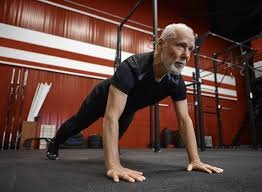
Research now shows that exercise alone can improve erectile function by a margin comparable to medication — we cover the exact protocol in our guide: does exercise help erectile dysfunction in men over 65. Erectile dysfunction is one of the most common health issues facing men over 60 — and one of the least openly discussed. Up to 52% of men between 40 and 70 experience some degree of ED, and the numbers climb steeply with age, reaching 50–100% of men over 70 in some studies. But widespread doesn’t mean inevitable, and treatable doesn’t have to mean pharmaceutical.
What most men aren’t told is that ED is frequently a lifestyle condition — and often an early warning signal for cardiovascular disease, appearing 2–3 years before a heart event. The same factors that damage blood vessels throughout the body — poor circulation, chronic inflammation, metabolic dysfunction, low testosterone — damage the vascular mechanics of erections first. Fix the underlying conditions and erectile function often follows.
This article covers what changes most — backed by the research that actually supports it.
Why Erections Change With Age
An erection is a vascular event. It requires healthy blood vessels that can dilate rapidly, adequate nitric oxide production to trigger that dilation, intact nerve signalling, and sufficient testosterone to maintain libido and tissue sensitivity. Every one of these systems declines with age — and most of them decline faster with poor lifestyle choices than they do from aging alone.
The main contributors to ED over 60:
- Reduced nitric oxide production: Nitric oxide is the chemical that signals penile blood vessels to relax and fill. Production declines with age, poor diet, inactivity, and smoking — all of which damage the endothelial cells that make it
- Cardiovascular disease and reduced blood flow: Atherosclerosis — the narrowing of arteries — reduces blood delivery to every organ including erectile tissue. ED is so closely linked to cardiovascular health that urologists now consider it a cardiovascular symptom first
- Declining testosterone: Testosterone drives libido, maintains penile tissue sensitivity, and supports the hormonal environment needed for sexual response. After 60, most men have lost a significant fraction of their peak levels — see our full guide on testosterone and aging
- Medications: Beta-blockers, thiazide diuretics, certain antidepressants, and other common senior medications directly impair erectile function as a side effect. This is frequently overlooked
- Psychological factors: Performance anxiety creates a self-reinforcing cycle — one difficult experience triggers anxiety about the next, which makes the next one harder. Stress and poor sleep compound this further
💡 ED often precedes cardiovascular events by 2–3 years. If you’re experiencing new or worsening ED, it’s worth discussing with your doctor — not just as a sexual health issue but as a potential cardiovascular signal. It’s a reason to get your blood pressure, lipids, and blood sugar checked, not just to ask for a prescription.
What the Research Says Actually Works
1. Exercise — The Most Powerful Single Intervention
A Harvard study found that just 30 minutes of walking daily reduced ED risk by 41%. A 2023 systematic review and meta-analysis of randomised controlled trials confirmed that aerobic exercise produces significant, measurable improvements in erectile function — with effects strongest in men with cardiovascular disease, metabolic syndrome, or obesity.
The mechanism is direct: exercise improves endothelial function and nitric oxide production — the two key vascular mechanisms behind erections. It also reduces visceral fat (which converts testosterone to estrogen), improves cardiovascular fitness, and lowers the chronic inflammation that damages blood vessel walls.
Resistance training adds a secondary benefit through testosterone support — compound movements that recruit large muscle groups produce the strongest hormonal response. Seated resistance band training and incline treadmill walking together cover both bases.
💪 Start here: 30 minutes of brisk walking most days. Add resistance training 2–3 times per week. This combination addresses the vascular and hormonal contributors simultaneously.
2. Pelvic Floor Training
This one surprises most men. Pelvic floor exercises — Kegels — directly improve erectile function by strengthening the bulbocavernosus and ischiocavernosus muscles, which trap blood in the penis during erection and control the vascular valves that maintain firmness.
A British clinical trial found that men who performed Kegel exercises twice daily for 3 months saw dramatically better erectile function than those who received lifestyle advice alone. A separate study of 55 men found that 40% regained normal erectile function after just 6 months of consistent pelvic floor training. Almost no men are told about this.
🧘 The exercise: Contract the muscle you’d use to stop urination mid-flow. Hold 3 seconds, release. 10–15 reps, 2–3 times daily. Takes 3 minutes. Do it sitting, standing, or lying down.
3. Diet — Particularly the Mediterranean Pattern
A 2025 systematic review and meta-analysis published in Asian Journal of Andrology reviewed the evidence across dietary patterns and erectile function. Men following the Mediterranean diet showed significantly lower rates of ED — with the flavonoid-rich foods characteristic of the diet (berries, olive oil, red wine in moderation, fish, vegetables) most strongly associated with better vascular function and erectile health.
The foods with the strongest direct evidence for supporting erectile function:
- Leafy greens and beets: Rich in nitrates that convert to nitric oxide in the body — directly supporting the vascular mechanism of erections
- Fatty fish: Omega-3 fatty acids improve endothelial function and reduce the arterial inflammation that narrows blood vessels
- Berries and flavonoid-rich foods: Improve endothelial function and nitric oxide bioavailability. A 10-year study of over 25,000 men found those eating the most flavonoids were significantly less likely to develop ED
- Extra virgin olive oil: Reduces oxidative stress and inflammation in blood vessel walls — protecting the endothelial cells that produce nitric oxide
- Dark chocolate (70%+): Flavanols in high-cocoa chocolate directly increase nitric oxide production. Moderate amounts are consistently associated with better vascular function
The full dietary framework is in our Anti-Inflammatory Diet Guide — which covers the Mediterranean approach in detail.
4. Sleep — Where Testosterone Is Made
Most testosterone production happens during sleep — specifically during deep REM sleep. Poor sleep doesn’t just leave you tired. It directly suppresses testosterone, elevates cortisol (which further suppresses testosterone), impairs the neurological signalling involved in sexual arousal, and — over time — drives the metabolic dysfunction that damages vascular health.
Just one week of 5-hour nights reduces testosterone levels by up to 15% in otherwise healthy men — a larger decline than a decade of natural aging. Treating sleep apnea alone — which impairs sleep quality and oxygen delivery — has produced significant improvements in erectile function in multiple clinical studies. If you snore heavily or wake unrefreshed, this is worth investigating before anything else.
The Huberman Sleep Protocol is the most practical evidence-based framework for improving sleep quality — starting with the free, daily interventions that produce the biggest effect.
5. Reduce Alcohol and Quit Smoking
The evidence here is unambiguous. Alcohol is a direct vasodilatory depressant — in the short term it impairs the vascular response needed for erection. Chronically, it reduces testosterone production, damages liver function (which processes hormones), disrupts sleep architecture, and contributes to visceral fat accumulation. Even moderate regular drinking measurably impairs erectile function and the effect is dose-dependent.
Smoking causes direct endothelial damage — degrading the blood vessel walls throughout the body including in penile tissue. Men who smoke are twice as likely to experience ED as non-smokers. Quitting produces measurable improvements in vascular function within months.
🚫 The honest number: Alcohol impairs erectile function even at modest levels — not just at heavy intake. If ED is a concern, this is one of the highest-leverage changes available.
What About Supplements?
The supplement market for ED is enormous, largely unregulated, and mostly disappointing. A handful of compounds have real evidence:
- L-arginine (3–6g daily): A precursor to nitric oxide. A 2022 multi-centre double-blind RCT found that high-dose L-arginine produced significant improvements in erectile function in men with vasculogenic ED — the most common form in older men. Most effective combined with L-citrulline (which converts to L-arginine more efficiently)
- Vitamin D: A 2025 systematic review in the Journal of Clinical Medicine confirmed a significant association between vitamin D deficiency and ED severity. Most men over 60 are deficient. Get tested — correcting deficiency often produces noticeable improvement
- Ashwagandha (KSH-66 extract): A 2025 RCT of 100 men found that 8 weeks of ashwagandha root extract improved orgasmic function, sexual desire, and overall sexual satisfaction. It works primarily through cortisol reduction and modest testosterone support
- Zinc: Directly involved in testosterone synthesis. Deficiency — common in older men — is associated with low testosterone and poor sexual function. Supplement only if deficient (blood test required)
⚠️ The FDA has repeatedly flagged ‘natural’ ED supplements containing undisclosed pharmaceutical compounds — including hidden PDE5 inhibitors that can cause dangerous blood pressure drops, especially combined with nitrate medications. Only buy supplements from reputable, third-party tested manufacturers. Always disclose supplements to your doctor, particularly if you take heart or blood pressure medication.
When to See Your Doctor
Lifestyle interventions work — but they work best in combination with proper medical assessment. Talk to your doctor if:
- ED developed suddenly rather than gradually — sudden onset is more likely to have a specific, treatable cause
- You have cardiovascular risk factors (hypertension, high cholesterol, diabetes) and haven’t been assessed recently
- You suspect a medication side effect — many common senior medications impair erectile function and alternatives may exist
- You’ve made consistent lifestyle changes for 3+ months without improvement
- You’re considering prescription PDE5 inhibitors (Viagra, Cialis) — these are effective for many men but have contraindications, particularly with nitrate medications
Prescription PDE5 inhibitors are safe and effective for most men without cardiovascular contraindications. They don’t address root causes — but they work, they’re well-studied, and there’s no shame in using them alongside lifestyle improvements. The two approaches are complementary, not mutually exclusive.
The Short Version
ED over 60 is common. It is also, for most men, significantly modifiable through the same lifestyle changes that protect cardiovascular health, maintain testosterone, and support metabolic function. The research is consistent:
- Exercise — 30 minutes of aerobic activity daily reduces ED risk by 41%. Add resistance training for testosterone support
- Pelvic floor training — Kegel exercises restore normal function in 40% of men within 6 months
- Mediterranean diet — flavonoid-rich foods directly support the vascular mechanism of erections
- Sleep — this is where testosterone is made. Poor sleep is one of the most direct drivers of hormonal and vascular ED
- Reduce alcohol, quit smoking — two of the highest-leverage changes available for vascular health
Start with the first two — exercise and pelvic floor training — because they address the physical mechanics directly and produce results within weeks, not months.
Related reading:
- Testosterone and Aging: The Hormonal Foundation of Male Sexual Health
- The Huberman Sleep Protocol: 7 Steps to Better Sleep and Better Hormonal Health
- Foods That Fight Inflammation — The Vascular Health Diet Guide
- 5 Foods Seniors Should Eat Every Day — Including the Ones That Support Blood Flow
- Seated Resistance Band Exercises — The Exercise Foundation for Hormonal and Vascular Health
⚠️ Medical Disclaimer: This article is for informational and educational purposes only and does not constitute medical advice. Erectile dysfunction can have multiple causes including cardiovascular disease, diabetes, hormonal conditions, medication side effects, and psychological factors. Always consult your physician for proper assessment and guidance. Do not stop or change prescribed medications without medical supervision.