| # | 👟 Shoe | ✅ Best For | ⭐ Key Feature | 🛒 Buy |
|---|---|---|---|---|
| 🥇 1 | Brooks Glycerin GTS 22 APMA ✓ | Best Overall | GuideRails stability system + 37.8mm cushioned heel. Available in wide & extra-wide. | Check Price → |
| 🥈 2 | Hoka Clifton 9 APMA ✓ | Best for Joint Pain & Arthritis | Meta-Rocker smooth heel-to-toe roll. Maximum cushioning, surprisingly lightweight. | Check Price → |
| 🥉 3 | New Balance 990 V6 | Best for Wide Feet & Orthotics | Available in 2A to 6E widths. Dual-density midsole. Removable insole for orthotics. | Check Price → |
| 4 | ASICS Gel Kayano 32 | Best for Overpronation | 4D Guidance System adapts to foot shape. Widest stability platform on this list. | Check Price → |
| 5 | Skechers Arch Fit APMA ✓ | Best Budget & Slip-On | Podiatrist-certified arch support. Hands-free slip-in option. Most affordable pick. | Check Price → |
APMA = American Podiatric Medical Association Seal of Acceptance |
Prices vary by retailer and size |
Walking is the most accessible form of exercise available to seniors — free, low-impact, and proven to reduce the risk of cardiovascular disease, cognitive decline, and joint deterioration. But none of those benefits materialise if the shoes you’re walking in are causing pain, instability, or a higher risk of falling. The right pair of walking shoes is not a luxury — for adults over 60, it’s a functional fitness tool as important as any exercise programme.
The five shoes below were selected based on podiatrist endorsements, independent lab testing, APMA (American Podiatric Medical Association) Seal of Acceptance, user reviews from seniors, and the specific criteria that matter most for older feet: cushioning, stability, traction, toe box width, and ease of getting on and off.
💡 What to look for in a senior walking shoe: structured heel counter for stability, removable insole to fit orthotics, a roomy toe box to accommodate bunions or swelling, non-slip rubber outsole, and cushioning that absorbs impact without feeling unstable. Podiatrists stress fit above all — buy at the end of the day when feet are most swollen.
What Makes a Walking Shoe Right for Seniors — The 5 Non-Negotiables
- Cushioning — thick midsole foam absorbs the impact that ageing joints can no longer handle as effectively. Look for heel stack heights above 30mm.
- Stability — a wide base, firm heel counter, and support features reduce ankle rolling — one of the primary causes of falls in older adults.
- Non-slip outsole — rubber outsoles with deep grip patterns are essential on wet pavement, tile floors, and uneven terrain.
- Wide toe box — feet spread and swell with age. A cramped toe box causes pain and instability. Always check if wide or extra-wide widths are available.
- Removable insole — allows custom or over-the-counter orthotics to be fitted, which can resolve plantar fasciitis, arch pain, and pronation issues that make walking painful.
The Top 5 Walking Shoes for Seniors in 2026
1. 🥇 Brooks Glycerin GTS 22 — Best Overall
The Brooks Glycerin GTS 22 is the top-rated senior walking shoe in independent lab testing for 2026. It combines maximum cushioning with the Brooks GuideRails stability system — a feature that reduces excess movement at the knee and ankle without the stiff, over-corrected feel of traditional motion control shoes.
- Heel cushioning: 37.8mm — exceptional shock absorption on hard pavement
- Stability system: GuideRails prevents ankle rolling without rigidity
- APMA Seal: Yes — certified to promote good foot health
- Widths available: Standard, wide, extra-wide
- Best for: Seniors wanting the best all-round daily walking shoe with joint protection
Podiatrists consistently recommend Brooks for seniors managing knee pain or recovering from lower limb injuries — the GuideRails system does the alignment work so your joints don’t have to.
Link to buy: Check Price →
2. 🏅 Hoka Clifton 9 — Best for Joint Pain and Arthritis
The Hoka Clifton 9 is the most-recommended shoe for seniors with arthritis, plantar fasciitis, or any condition where impact on hard surfaces is painful. Its Meta-Rocker geometry guides the foot through a smooth heel-to-toe transition, reducing the effort required at the ankle — critical for seniors with limited dorsiflexion.
- Cushioning: Maximum — soft foam with balanced feel, not unstable
- Meta-Rocker: Smooth heel-to-toe roll reduces ankle strain
- APMA Seal: Yes — approved for promoting foot health
- Weight: Surprisingly light for a max-cushion shoe
- Best for: Seniors with arthritis, plantar fasciitis, knee pain, or anyone needing maximum impact protection
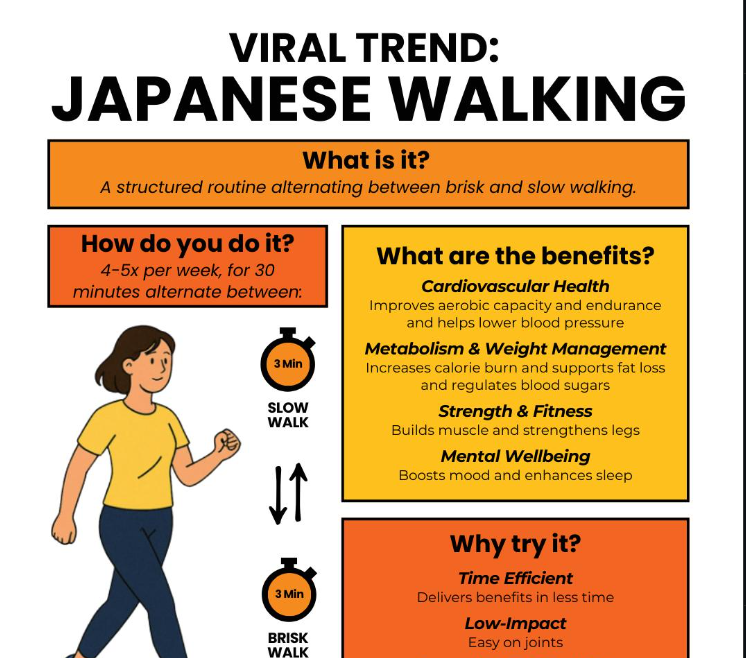
Dr. Robert Fridman DPM states: “It’s my favourite shoe on the market and I recommend it many times a day for people who have foot issues but want to continue with their exercise protocols.” For seniors following the 12-3-30 incline walking method or Japanese walking intervals, the Clifton 9’s cushioning is a genuine performance upgrade.
Link to Buy: Check Price →
3. 🥈 New Balance 990 V6 — Best for Stability and Wide Feet
New Balance is the most recommended brand for seniors with wide feet, and the 990 V6 is their flagship walking shoe for 2026. It combines a polyurethane midsole rim for stability with soft foam cushioning — and it comes in an extensive size and width range that most brands don’t match.
- Midsole: Dual-density — soft cushion + polyurethane rim for stability
- Widths available: 2A (narrow) through 6E (extra-extra-wide)
- Upper: Breathable mesh with suede overlays for durability
- Orthotics: Removable insole fits custom orthotics easily
- Best for: Wide feet, bunions, seniors needing orthotics, or those with balance concerns
The 990 V6 is the shoe podiatrist Dr. Gary Evans (New York City) recommends specifically for exercise walkers — seniors who walk 3–7 miles daily and need a shoe that holds up to volume while protecting aging joints. Pairs naturally with micro workout walking sessions and longer daily movement habits.
Link to Buy: Check Price →
4. 🎖️ ASICS Gel Kayano 32 — Best for Overpronation
The ASICS Gel Kayano 32 is the go-to recommendation for seniors whose feet roll inward excessively when walking (overpronation) — one of the most common gait issues in older adults that contributes to knee and hip pain. Its 4D Guidance System uses a softer foam under the arch that adjusts to the foot’s movement in real time.
- 4D Guidance System: Custom arch support that adapts to your foot shape
- Base width: 119.8/97.2mm — exceptionally wide platform for stability
- Gel cushioning: Front and rear shock absorption zones
- Traction: AHARPLUS rubber — tested for superior grip on varied surfaces
- Best for: Overpronation, flat feet, medial knee pain, or seniors needing maximum stability
If joint pain in the knees or hips has been slowing your walking — and you haven’t looked at your footwear as a potential cause — the Kayano 32 is worth trying before pursuing medical intervention. Poor gait mechanics from the wrong shoe are an underdiagnosed driver of lower limb pain in seniors.
Link to Buy: Check Price →
5. 🏆 Skechers Arch Fit — Best Budget Pick and Slip-On Option
The Skechers Arch Fit range brings podiatrist-certified arch support into an accessible price point — and in slip-on styles that eliminate the challenge of tying laces, making them a practical choice for seniors with arthritis, limited mobility, or those who simply want the easiest possible on-and-off experience.
- Arch support: Podiatrist-certified, APMA Seal of Acceptance
- Style options: Lace-up and hands-free slip-in designs available
- Insole: Removable — fits custom orthotics
- Price: Most affordable option on this list by a significant margin
- Best for: Budget-conscious seniors, those with limited hand mobility, arthritis, or anyone wanting a versatile everyday shoe
The Skechers Arch Fit Slip-Ins are specifically recommended for seniors who have difficulty with laces due to arthritis or bending limitations — a real-world consideration that most shoe reviews overlook. Combined with the weighted vest walking trend for bone density, the Arch Fit provides a stable enough platform to safely carry additional load.
Link to Buy: Check Price →
How to Buy Walking Shoes Correctly — 3 Tips Most Seniors Miss
- Buy at the end of the day — feet are at their most swollen in the evening. A shoe that fits at 5pm will fit all day. One that fits at 9am may be too tight by afternoon.
- Bring your orthotics — if you use custom or over-the-counter insoles, bring them when trying on shoes. The shoe that fits without them may not fit with them.
Replace every 300–500 miles — midsole foam compresses and loses shock absorption long before the outsole looks worn. Increased foot, knee, or back pain during walks is often a sign your shoes need replacing, not that walking is causing injury.
Frequently Asked Questions
What is the best walking shoe for seniors overall in 2026?
The Brooks Glycerin GTS 22 earns the top spot in independent lab testing for 2026 — combining maximum cushioning, the GuideRails stability system, APMA approval, and multiple width options. For seniors with arthritis or significant joint pain, the Hoka Clifton 9’s superior impact absorption may be the better choice.
What features should seniors look for in a walking shoe?
The five non-negotiables are: cushioning (30mm+ heel stack), stability features, non-slip rubber outsole, wide toe box, and a removable insole for orthotics. Ease of entry (slip-on or wide lace openings) matters increasingly as dexterity and flexibility decline with age.
Are Hoka shoes good for seniors?
Yes — Hoka is one of the most consistently recommended brands by podiatrists for seniors, particularly the Clifton and Bondi models. The thick foam midsole and Meta-Rocker geometry reduce joint stress significantly. Multiple podiatrists cite Hoka as their first recommendation for seniors with foot pain, plantar fasciitis, or knee issues.
Do I need a walking shoe or a running shoe?
Walking shoes and running shoes have different design priorities. Walking shoes typically have a stiffer midsole, more pronounced heel bevel, and a flatter overall geometry — better suited to the heel-to-toe rolling motion of walking. Running shoes are designed for the spring-off forces of running. That said, many podiatrists recommend running shoes for senior walkers because the cushioning technology in modern running shoes (Brooks, Hoka, ASICS) exceeds what traditional walking shoes offer. The best guide is podiatrist advice for your specific foot type.
How do I know when my walking shoes need replacing?
Replace walking shoes every 300–500 miles, or when you notice increased foot, knee, or back pain during your daily walks. The midsole compresses and loses shock absorption well before the outsole shows visible wear. A simple test: press your thumb firmly into the heel — if the foam doesn’t spring back immediately, the cushioning is spent.
Can the right shoes reduce fall risk for seniors?
Yes — significantly. Proper footwear reduces fall risk through multiple mechanisms: stability features prevent ankle rolling, non-slip outsoles maintain grip on varied surfaces, and well-fitted shoes reduce the shuffling gait pattern associated with elevated fall risk in older adults. Combining the right shoes with daily balance training addresses the two most modifiable physical fall risk factors simultaneously.
The Short Version
- Brooks Glycerin GTS 22 — Best overall. Maximum cushioning + GuideRails stability. APMA approved.
- Hoka Clifton 9 — Best for joint pain and arthritis. Meta-Rocker smooth transition. APMA approved.
- New Balance 990 V6 — Best for wide feet and orthotics. Most width options available.
- ASICS Gel Kayano 32 — Best for overpronation and flat feet. 4D arch guidance.
- Skechers Arch Fit — Best budget and slip-on option. Podiatrist-certified arch support.
The right shoe makes every walk safer, more comfortable, and more productive — whether you’re doing a post-meal 5-minute micro walk, a 30-minute incline session, or Japanese walking intervals. The wrong shoe turns every one of those sessions into a source of damage.
Related reading:
- The 12-3-30 Treadmill Workout for Seniors — Put These Shoes to Work
- Japanese Walking: The 2-Speed Method That’s Beating Regular Cardio
- Micro Workouts for Seniors — Start Small, Build Big
- Top 5 Ways to Reduce Joint Pain Without Medication
- Top 5 Exercises Seniors Should STOP Doing — And What to Do Instead
- Functional Fitness for Seniors — Train the Movements That Keep You Independent
- Weighted Vest Walking — The Walking Upgrade That Builds Bone and Muscle
- 10 Small Daily Habits That Compound Into Major Health Gains After 60
This post contains affiliate links. If you purchase a product through one of our links, se7ensymbols.com may earn a small commission at no extra cost to you. We only recommend products we have independently researched and believe will benefit our readers.