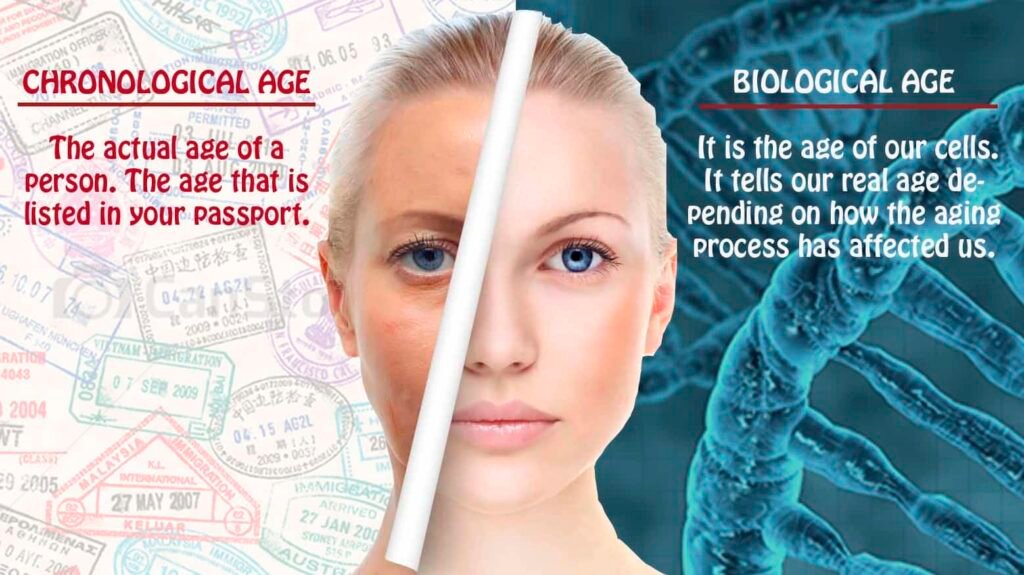
In 2026, the number on your birthday cake is becoming increasingly irrelevant. Science has shifted its focus from chronological age (how many years you’ve been alive) to biological age (how well your cells and systems are actually functioning).
At se7ensymbols.com, our 7 Pillars of Self-Improvement are designed to help you optimize your physical foundation. If you feel “old” at 50, or “stiff” at 60, it’s often a sign that your biological clock is ticking faster than it should.
Here are the five essential lifestyle shifts to slow down your internal clock and reclaim your vitality.
1. Prioritize Muscle as Your "Longevity Currency"
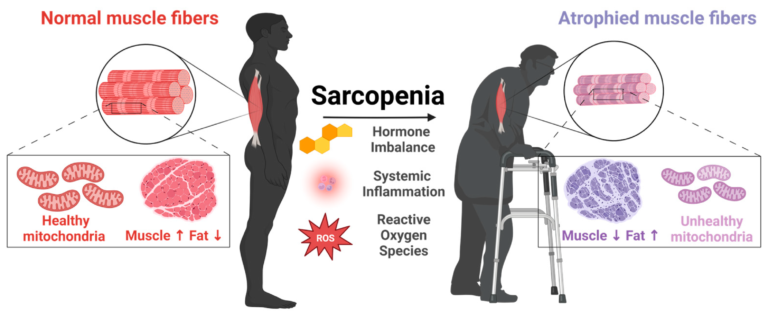
Muscle is more than just a tool for movement; it is an endocrine organ that regulates your metabolism and immune system. As we age, we face the threat of Sarcopenia, or age-related muscle loss.
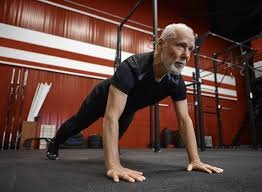
To reverse this, you must engage in resistance training. Following a structured 5-day workout plan that includes an Upper Body Push and a Lower Body Pull signals your body to keep repairing and renewing tissue, effectively keeping your “internal engine” young.
2. Master the 30/30/30 Metabolic Reset
One of the fastest ways to age your cells is through chronic insulin spikes and unstable blood sugar. In 2026, the 30/30/30 Rule has become the gold standard for metabolic health.
By consuming 30 grams of protein within 30 minutes of waking, you dampen cortisol levels and prevent the mid-day energy crashes that lead to cellular stress. This simple morning habit is a cornerstone of starting strong every single day.
3. Build a Robust Aerobic Base with Zone 2
Your heart and mitochondria are the primary drivers of your biological age. High-intensity training is great, but Zone 2 cardio for seniors is the secret to cellular longevity.
By maintaining a steady, conversational pace for your 8,000 daily steps, you encourage mitochondrial biogenesis—the creation of new, healthy power plants within your cells. This prevents the “biological rust” that leads to fatigue and chronic disease.
4. Mineral Loading for Cellular Repair
Aging is often accelerated by chronic inflammation and a lack of deep, restorative sleep. Your body cannot repair its DNA or flush out metabolic waste if it is deficient in key minerals.
Specifically, Magnesium for seniors is non-negotiable. It assists in over 300 biochemical reactions, including the relaxation of muscles and the nervous system, which are essential for proper sleep and recovery.
5. Maintain Mobility and Nervous System Flow
A body that cannot move is a body that ages rapidly. Stiffness in the joints is often a sign of a “locked” nervous system.
Integrating a 10-minute mobility flow or gentle chair yoga helps maintain the elasticity of your connective tissues. Even if you are utilizing seated wheelchair exercises, the goal remains the same: keep the fluids moving and the nerves firing.
Measuring Your Progress
How do you know if your biological age is improving? Look for these “Longevity Markers”:
Improved Recovery: Using your 80/20 fitness rule, do you feel refreshed after a workout rather than depleted?
Stable Energy: Are you reaching for single-ingredient protein snacks instead of sugary pick-me-ups?
Physical Agency: Can you perform daily tasks with ease?
The Bottom Line
Biological aging is not a one-way street. By making strategic shifts in how you move, eat, and recover, you can actually “turn back the clock” on your internal systems.
At Se7en Symbols, we provide the blueprints to help you master your own biology. Whether you are following the 3-2-8 Method or just lowering your calories to a healthy range, every small choice is an investment in your future self.
Ready to see how young you can feel? Explore our full library of longevity guides and start your reset today.