| 🏃 Exercise Type | 📋 Evidence-Based Dose | 🔬 How It Helps ED | ⏱️ When to Expect Results |
|---|---|---|---|
| 🚶 Brisk Walking | 30 min daily, 5–7 days/week Moderate pace (~4 mph) |
Boosts nitric oxide production. Reduces arterial stiffness. Improves blood flow to pelvic region. Harvard: 41% lower ED risk with 30 min/day. | Cardiovascular improvements: 4–6 weeks. Erectile function improvement: 3–6 months consistently. |
| 🏊 Swimming | 30–40 min, 3–5 days/week Moderate intensity |
Full-body aerobic work. Zero joint impact. Improves cardiovascular function and endothelial health without pelvic compression risk. | Same aerobic timeline as walking. Excellent alternative if joint pain limits walking. |
| 💪 Resistance Training | 2–3 sessions/week All major muscle groups |
Stimulates testosterone production. Reduces visceral fat (which converts T to estrogen). Improves insulin sensitivity and metabolic health. | Testosterone benefits: 8–12 weeks. Best combined with aerobic work for maximum effect. |
| 🚴 Zone 2 Cardio | 30 min, 5 days/week Conversational but breathless |
The intensity range where endothelial adaptation and nitric oxide improvement is greatest. Directly improves blood vessel health over time. | Consistent benefit builds over 6+ months. Sustainable long-term due to low injury risk. |
| 📅 Minimum Effective Dose | 160 min/week aerobic 40 min × 4 sessions |
2018 systematic review target: 160 minutes/week for 6 months — the threshold for clinically significant ED improvement from physical inactivity, obesity, hypertension, or metabolic syndrome. | 6 months at this dose = consistent improvement across all studies reviewed. |
Sources: Journal of Sexual Medicine meta-analysis (2023, 11 RCTs, 1,147 participants) — aerobic exercise IIEF-EF improvement 2.3–4.9 points · Harvard Health — 30 min walking = 41% lower ED risk, aerobic exercise comparable to medication · ScienceDirect systematic review (2018) — 160 min/week × 6 months · PubMed Mendelian randomization (2025) — brisk walking pace = 76% lower ED risk · Johns Hopkins Medicine — ED as cardiovascular warning sign · PMC — erectile dysfunction as vascular disorder, endothelial dysfunction as common pathology
Erectile dysfunction affects an estimated 43 percent of men aged 60 to 69 — and 70 percent of men over 70.
Most men in this situation are told about medications. Fewer are told about the research on exercise.
A 2023 systematic review and meta-analysis published in the Journal of Sexual Medicine analyzed 11 randomized controlled trials and reached a finding that surprised many in the medical community: aerobic exercise improved erectile function by a margin comparable to the improvement seen with common ED medications.
Harvard Health confirmed it directly: aerobic activity may work as well as medication for helping erectile dysfunction.
This does not mean exercise replaces medical treatment. It means that for men over 65, the exercise you choose — and how much you do — directly affects erectile function through mechanisms that are well understood and modifiable.
Why Erectile Dysfunction Is Primarily a Blood Flow Problem After 65
Understanding why exercise helps requires understanding what is actually happening in the body.
For roughly 75 percent of men, erectile dysfunction is a physical problem — not a psychological one, according to Harvard Health. And the most common physical cause is reduced blood flow to the penis due to compromised blood vessel health.
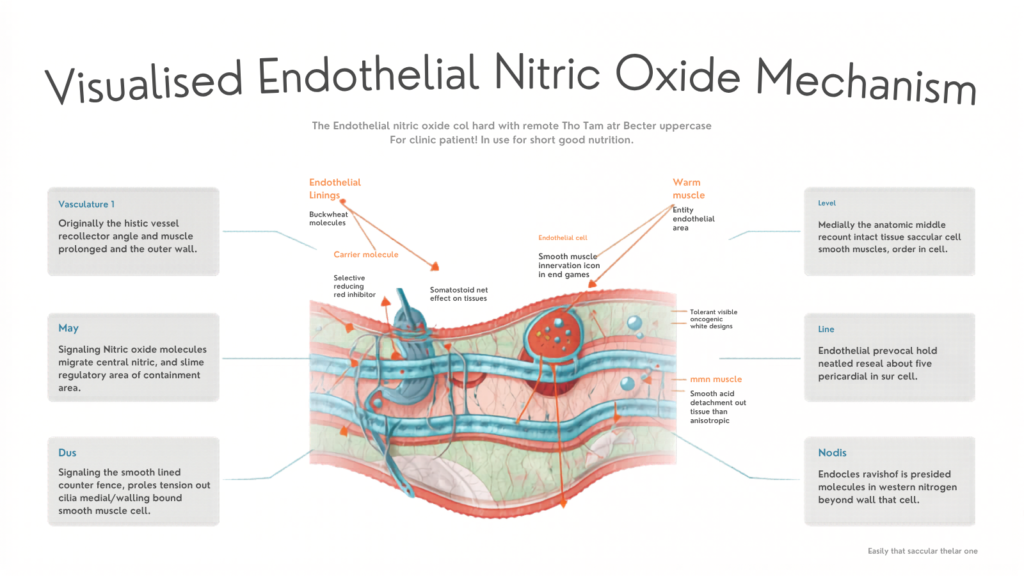
The same process that narrows coronary arteries and raises heart disease risk also narrows the small vessels that supply blood to the penis. ED research published in PMC refers to it directly: erectile dysfunction is predominantly a vascular disorder. Endothelial dysfunction — damage to the inner lining of blood vessels — is the common underlying pathology.
This is why erectile dysfunction in men over 60 is widely considered a cardiovascular warning sign. Research from Johns Hopkins shows that in up to 30 percent of men who see their doctors about ED, the condition is the first hint they have cardiovascular disease.
Exercise addresses this root cause directly.
For a complete guide to the other interventions that support erectile function after 60, see our main guide on maintaining erections over 60.
What the Research Shows: The Numbers Are Striking
The 2023 meta-analysis in the Journal of Sexual Medicine — covering 11 randomized controlled trials with 1,147 participants — produced specific, quantified findings.
Aerobic exercise improved International Index of Erectile Function (IIEF-EF) scores by a mean of 2.8 points compared to non-exercising controls.
The effect was even stronger in men with more severe baseline dysfunction:
- Men with mild ED: improvement of 2.3 points
- Men with moderate ED: improvement of 3.3 points
- Men with severe ED: improvement of 4.9 points
For context: the improvement seen with testosterone replacement therapy is approximately 2 points on the same scale. The improvement from shockwave therapy is approximately 4 points. Exercise matched or exceeded both.
Critically, the study authors noted that exercise supervision, age, and medication use did not significantly influence the results — meaning exercise worked across the board, including in older men and those already on other treatments.
The weaker your erectile function at baseline, the more dramatically exercise improves it.
How Exercise Improves Erections: The Biological Mechanism
Exercise improves erectile function through four distinct pathways, each well understood and well documented.
- Nitric Oxide Production
Erections are triggered and maintained by nitric oxide — a chemical messenger that relaxes and dilates blood vessels in the penis, allowing blood to flow in.
Aerobic exercise directly increases the body’s production of nitric oxide. It also improves the health and responsiveness of endothelial cells — the cells that line blood vessels and release nitric oxide on demand. This is the most direct mechanism by which exercise improves erection quality.
- Improved Blood Flow and Reduced Arterial Stiffness
Regular aerobic exercise reduces plaque formation in arterial walls, lowers blood pressure, and improves overall vascular flexibility. These changes directly increase blood flow to all tissues — including the penis.
This is the same mechanism behind Zone 2 cardio — the low-to-moderate intensity aerobic range where the cardiovascular adaptations that improve blood vessel health are most pronounced.
- Testosterone Support
Testosterone levels decline with age and play a direct role in both sexual desire and erectile function. Regular resistance training and aerobic exercise both stimulate testosterone production and slow the age-related decline.
Harvard research specifically notes that weight-bearing exercises increase the natural production of testosterone, which benefits both erection strength and sex drive.
- Reduced Inflammation and Visceral Fat
Visceral fat — the abdominal fat that accumulates after 60 — actively converts testosterone to estrogen and drives the chronic inflammation that damages blood vessel walls.
Harvard data found that a man with a 42-inch waist is 50 percent more likely to have ED than a man with a 32-inch waist. Exercise that reduces visceral fat directly reduces ED risk. Our full guide on how to lose belly fat after 60 covers the targeted approach for abdominal fat reduction.
The Exact Exercise Protocol That the Research Supports
The research is specific about dosing. This is not a case of ‘some exercise is fine’ — the evidence points to a specific threshold.
A 2018 systematic review that analyzed a decade of ED and exercise research arrived at the following recommendation:
40 minutes of moderate to vigorous aerobic exercise, four times per week, sustained over six months.
This totals 160 minutes of aerobic activity per week — slightly above the general 150-minute recommendation for seniors. At this dose, the review found consistent improvements in ED caused by physical inactivity, obesity, hypertension, metabolic syndrome, and cardiovascular disease.
The Harvard study of over 22,000 men aged 40 to 75 found that 30 minutes of walking daily was linked to a 41 percent lower risk of erectile dysfunction.
A 2025 Mendelian randomization study published in PubMed found that brisk walking pace was independently associated with a 76 percent reduction in ED risk — even after adjusting for other confounding factors.
The practical target for men over 65:
- 30 to 40 minutes of aerobic exercise most days of the week
- Moderate to brisk intensity — conversational but slightly breathless
- Consistency over six months — this is not a short-term fix
- Walking, swimming, and cycling are all appropriate modalities
The Best Types of Exercise for Erectile Function After 65

- Brisk Walking — The Most Accessible Starting Point
The Harvard 41 percent risk reduction finding was based on brisk walking. Not running. Not intense cardio. Brisk walking.
A pace that elevates breathing slightly and makes sustained conversation a little effortful is sufficient. The Japanese walking method — alternating three minutes of brisk pace with three minutes of slower pace — provides the moderate-to-vigorous intensity range the research identifies as most effective, in a format that is joint-friendly and sustainable for men over 65.
The 12-3-30 treadmill method — incline walking at a consistent brisk pace — delivers the Zone 2 cardiovascular work that improves vascular health while eliminating outdoor fall risk and weather barriers.
- Resistance Training — For Testosterone and Metabolic Health
Aerobic exercise shows the strongest direct evidence for erectile function. But resistance training contributes through the testosterone and metabolic pathway — reducing visceral fat, improving insulin sensitivity, and directly stimulating testosterone production.
Two to three resistance training sessions per week targeting all major muscle groups complement aerobic work and address the testosterone decline that independently contributes to ED after 65.
- Zone 2 Cardio — The Vascular Repair Zone
Zone 2 intensity — the pace where you can speak in full sentences but feel your heart working — is where the most significant improvements in endothelial health and nitric oxide production occur.
Thirty minutes of Zone 2 walking or cycling five days per week exceeds the 160-minute weekly target associated with improved ED outcomes and is achievable for most men over 65 regardless of current fitness level.
- What to Avoid: Cycling on a Traditional Saddle
This is a specific caution worth noting.
Traditional bicycle saddles compress the perineum — the area between the sit bones — and can restrict blood flow to the penis during and after cycling. Men with existing ED should use saddles specifically designed to reduce perineal pressure, or choose walking and swimming instead.
How Long Before Exercise Improves Erectile Function?
This is the question most men ask first — and the research gives a specific answer.
The studies showing significant improvement in erectile function used protocols lasting two to six months. The 2018 systematic review specifically identified six months of consistent exercise as the point where meaningful improvements were reliably observed.
This does not mean nothing happens before six months. Cardiovascular improvements — lower blood pressure, reduced resting heart rate, improved endothelial function — begin within four to six weeks of consistent aerobic exercise.
But sexual function improvements are a downstream effect of those vascular changes. They require time to accumulate.
The practical expectation:
- Weeks 1 to 6: Cardiovascular improvements begin. Energy, sleep, and mood typically improve noticeably.
- Weeks 6 to 12: Blood pressure reduction, weight loss if combined with diet, initial vascular improvements.
- Months 3 to 6: Clinically meaningful improvements in erectile function in men with mild to moderate ED. The more severe the baseline ED, the more dramatic the improvement.
The key variable is consistency. Exercise that stops after four weeks produces very limited
Diet and Lifestyle: What Amplifies the Exercise Effect
Exercise alone produces real improvements. Exercise combined with the right dietary changes produces larger ones.
The dietary pattern with the strongest research base for erectile function in older men is the Mediterranean diet — rich in leafy greens, fatty fish, olive oil, nuts, and berries. A 10-year study of over 25,000 men found that those eating flavonoid-rich foods were significantly less likely to develop ED. This maps almost exactly onto the anti-inflammatory diet and the 5 daily foods with the strongest evidence for erectile health.
Sleep is the other critical amplifier. Testosterone is produced primarily during deep sleep. Chronic poor sleep directly lowers testosterone and raises cortisol — both of which impair erectile function. The daily habits that consistently support sleep quality are the same ones that support hormonal health.
Alcohol is worth flagging specifically. While moderate drinking does not cause ED, regular heavy drinking directly suppresses testosterone, damages blood vessel walls, and impairs the nitric oxide pathway that drives erections.
Frequently Asked Questions
Can exercise really reverse erectile dysfunction in men over 65?
For ED caused by vascular factors — poor circulation, high blood pressure, metabolic syndrome, or physical inactivity — exercise can produce clinically meaningful improvements. The 2023 Journal of Sexual Medicine meta-analysis found aerobic exercise improved erectile function scores in the range comparable to testosterone replacement therapy and shockwave therapy. The worse the baseline ED, the greater the improvement. Exercise works best as part of a broader approach alongside diet, sleep, and where appropriate, medical treatment.
How much exercise do you need to improve erectile dysfunction?
The evidence-backed target is 40 minutes of moderate to vigorous aerobic exercise four times per week — 160 minutes total weekly — sustained over at least six months. Even 30 minutes of brisk walking daily produced a 41 percent reduction in ED risk in a Harvard study of over 22,000 men.
Is walking good for erectile dysfunction?
Yes — and the evidence is specific. A Harvard study of over 22,000 men found that 30 minutes of walking daily was linked to a 41 percent lower risk of ED. A 2025 Mendelian randomization study found brisk walking pace independently reduced ED risk by 76 percent. Walking works through improved blood flow, increased nitric oxide production, reduced blood pressure, and better vascular health.
What is the best exercise for erectile dysfunction in older men?
Brisk walking is the most researched and most accessible option, with the strongest direct evidence. Swimming and cycling (with an appropriate saddle) are excellent alternatives. Resistance training adds the testosterone and metabolic benefit. The combination of 30 to 40 minutes of aerobic activity most days, plus two resistance training sessions per week, addresses every biological pathway involved in erectile function.
Does weight loss help erectile dysfunction in men over 65?
Yes — significantly. A man with a 42-inch waist is 50 percent more likely to have ED than a man with a 32-inch waist, according to Harvard data. Research shows weight loss programs can significantly improve erectile function and reduce ED symptoms in approximately three to six months. Visceral fat specifically drives the hormonal and vascular changes most directly tied to ED. Our guide on losing belly fat after 60 covers the evidence-based approach to abdominal fat reduction.
Does testosterone affect erectile function after 65?
Yes — though it is one factor among several. Testosterone declines with age and plays a role in sexual desire and the quality of erections. Regular resistance training and aerobic exercise both support testosterone production. Our guide on testosterone and aging covers the complete picture of hormonal decline and what lifestyle changes most effectively support testosterone levels after 65.
How quickly does exercise improve erectile dysfunction?
Vascular improvements from consistent aerobic exercise begin within four to six weeks — reduced blood pressure, improved endothelial function, better nitric oxide production. Clinically meaningful improvements in erectile function typically appear after three to six months of consistent training. Studies showing the strongest results used protocols lasting six months or longer. Consistency over time is the key variable.
Conclusion
The research is clearer than most men over 65 have been told.
Aerobic exercise — sustained consistently over months — produces improvements in erectile function comparable to medication for some men. It works through the same vascular and hormonal pathways that are specifically impaired after 65.
The target is achievable: 30 to 40 minutes of brisk walking or equivalent aerobic activity most days of the week, plus two resistance training sessions. Six months of consistency. Diet and sleep aligned to support the vascular health that exercise is working to rebuild.
This is not a replacement for medical evaluation — especially if ED has appeared recently, as it can be the first sign of cardiovascular disease. But it is a proven, side-effect-free, and health-compounding intervention that every man over 65 has access to.
Stack your exercise routine with the broader longevity habits that support vascular health — the anti-inflammatory diet, quality sleep, and the 5 foods with the strongest evidence for long-term health — and the compounding effect is significant.