
| 📋 Method | ⏱️ Eating Window | ✅ Best For Seniors | ⚠️ Senior-Specific Risk | 💡 Key Requirement |
|---|---|---|---|---|
| 🟢 12:12 Recommended start |
12 hours eating 12 hours fasting |
Safest for seniors. Many already do this naturally. Preserves morning protein window. Fits medication schedules. | Minimal. Most seniors already fast this long overnight. | Finish dinner by 7pm, eat breakfast by 7am. Ideal first step. |
| 🟡 14:10 Moderate |
10 hours eating 14 hours fasting |
Good middle ground. Still allows breakfast. Suitable for seniors who have done 12:12 comfortably for 4–6 weeks. | Slightly higher blood sugar risk. Monitor energy levels. | Move to this only after 12:12 feels easy. Medical clearance recommended. |
| 🟠 16:8 Most studied — use caution |
8 hours eating 16 hours fasting |
Studied in seniors 65–74 with positive results (BMI, waist, visceral fat). Effective when done correctly. | Skips breakfast — eliminates morning protein window most important for muscle mass. Risk of dizziness, medication conflicts, blood sugar drops. | Every meal must contain 25–30g protein. Requires medical sign-off. Not suitable for diabetics on insulin. |
| 🟠 5:2 Use with caution |
Normal eating 5 days 500–600 cal on 2 days |
Flexibility — no daily restriction. 4–8% weight loss in studies of adults with obesity. | Very low calorie days risk significant muscle loss and nutrient gaps in seniors. Higher fall and dizziness risk on restricted days. | Only with medical supervision. Ensure protein targets are still met on restricted days. |
| 🔴 Eat-stop-eat Not recommended |
24-hour fasts 1–2x per week |
Not recommended for most seniors. | High risk of muscle catabolism. Significant medication timing disruption. Blood sugar instability. Dizziness and fall risk. | Requires close medical supervision. Not a starting point for seniors. |
Sources: Experimental Gerontology — 108 adults aged 65–74, 6 weeks TRE · ScienceDirect randomized clinical trial — adults over 60, 12h TRE + Mediterranean diet, 3 months (2025) · Tufts University Human Nutrition Research Center on Aging · PMC / NIH — time-restricted eating and muscle loss risk in seniors · American Heart Association — cardiovascular mortality and eating window duration
Intermittent fasting is everywhere.
Apps. Books. Social media. Your neighbor who lost 20 pounds doing the 16:8 method.
And the question that lands in search engines tens of thousands of times every month: is intermittent fasting safe for seniors over 60?
The answer is not a simple yes or no.
For some seniors, intermittent fasting can be a genuinely useful tool. For others, it carries specific risks that are different — and more serious — than the risks for younger adults. Understanding the difference is everything before you try it.
What Is Intermittent Fasting — And How Do Seniors Use It?
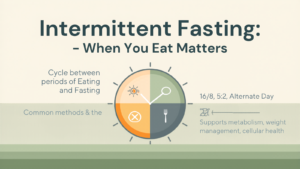
Intermittent fasting is not a diet about what you eat. It is about when you eat.
Instead of eating from morning to night, you compress your meals into a defined window of time — and fast for the rest.
The most common methods used by seniors include:
- 12:12 — eat for 12 hours, fast for 12 hours. The most gentle option and the easiest to fit around a normal senior routine.
- 16:8 — eat for 8 hours (typically noon to 8pm), fast for 16 hours. The most widely studied method. Skips breakfast.
- 5:2 — eat normally five days per week. Restrict calories to 500–600 on two non-consecutive days.
- Eat-stop-eat — one or two 24-hour fasts per week. Generally not recommended for seniors without medical supervision.
For most seniors, the 12:12 method is the safest starting point — and many seniors already practice it without realizing it by finishing dinner at 7pm and having breakfast at 7am.
What Does the Research Actually Show for Older Adults?
The evidence is encouraging — but limited specifically to seniors.
A study in Experimental Gerontology followed 108 overweight adults aged 65 to 74 through six weeks of time-restricted eating. The vast majority successfully completed a 16-hour fast. That group significantly lowered their BMI without decreasing bone density — a critical concern when seniors lose weight.
Men in the study also saw a significant reduction in waist circumference and visceral fat — the dangerous fat around the abdominal organs that drives cardiovascular disease and metabolic risk. For more on targeting belly fat, see our guide on how to lose belly fat after 60.
A 2025 randomized clinical trial in ScienceDirect tested 12-hour time-restricted eating combined with the Mediterranean diet in adults over 60 for three months. That group showed significant reductions in BMI, waist circumference, and systolic blood pressure compared to the Mediterranean diet alone.
Sai Das, a senior scientist at Tufts University’s Human Nutrition Research Center on Aging, summarized the broader evidence: in studies of one to two years, researchers have seen weight loss, fat loss, improvements in metabolic health — particularly type 2 diabetes — and improvements in memory and physical function.
The bottom line: intermittent fasting can work for seniors. But it must be done correctly.
The 5 Real Risks of Intermittent Fasting for Seniors
This is the part most intermittent fasting content skips. The risks for older adults are specific and meaningful.
- Muscle Loss — The Biggest Concern After 60
This is the risk that matters most for seniors.
After 60, adults are already fighting accelerating muscle loss. Muscle protein synthesis requires a steady supply of amino acids — which means it requires regular protein intake throughout the day.
A PMC review from the National Institutes of Health stated it clearly: the potential importance of missed eating opportunities with time-restricted eating, particularly
regarding protein requirements to combat age-related muscle loss, are worthy of serious consideration.
The 16:8 method — which skips breakfast — eliminates the morning protein window that research shows is the most impactful time for muscle protein synthesis in older adults. This is not a trivial trade-off.
The solution is not to avoid fasting entirely — it is to ensure that every meal within the eating window hits 25 to 30 grams of protein. See our guide on how much protein seniors actually need for the specific targets.
- Medication Timing Problems
Seniors typically take more medications than younger adults. Many must be taken with food to work properly or avoid stomach upset.
Skipping breakfast eliminates the food that some morning medications require. This applies particularly to blood pressure medications, diabetes drugs, steroids, and some pain relievers.
This is not a reason to avoid intermittent fasting. But it is a non-negotiable conversation to have with your doctor before you change your eating schedule.
- Blood Sugar Instability
For seniors with diabetes or prediabetes, going without food for 16 hours can cause dangerous drops in blood sugar — especially if they are taking insulin or sulfonylureas.
CenterWell Primary Care advises that seniors with diabetes need medical supervision if they choose to try intermittent fasting, including continuous glucose monitoring.
Even in seniors without diagnosed diabetes, prolonged fasting can cause shakiness, dizziness, and weakness. These are especially concerning for adults with balance issues or fall risk.
- Dizziness and Fall Risk
When you fast for 16 hours and then stand up quickly, blood pressure can drop temporarily — called orthostatic hypotension.
For a senior who already has balance concerns, this drop is a meaningful fall hazard.
Staying well hydrated during the fasting window reduces this risk significantly. Water, black coffee, and plain tea are all permitted during a fast without breaking it.
- Cardiovascular Warning — What the AHA Found
This finding is important.
The American Heart Association reported that severely restricting daily eating to under 8 hours nearly doubled cardiovascular mortality risk compared to longer eating windows in one observational study.
This is a single observational study — not a controlled trial — and the researchers noted that the fasting group may have had poorer overall dietary quality. But for seniors with existing cardiovascular conditions, it is a reason to discuss the risks specifically with a cardiologist before starting.
Who Should NOT Try Intermittent Fasting
Intermittent fasting is not appropriate for everyone. The following groups should avoid it without close medical supervision:
- Seniors with type 1 or type 2 diabetes taking insulin or sulfonylureas — blood sugar management becomes extremely complex during extended fasting periods
- Those with a history of eating disorders — fasting can escalate into disordered restriction patterns even decades after recovery
- Seniors who are underweight or frail — further restricting eating windows accelerates the muscle and weight loss that frail seniors can least afford
- Those recovering from illness, surgery, or hospitalization — recovery demands consistent nutrition, not restriction
- Seniors with cardiovascular conditions — particularly given the AHA observational findings, medical clearance is essential
- Those taking multiple time-sensitive medications — meal scheduling may be incompatible with medication requirements
The Benefits When Done Correctly
For seniors who are generally healthy, not diabetic, not on conflicting medications, and not at risk of frailty — intermittent fasting offers real and evidence-backed benefits.
- Weight and Visceral Fat Loss
The Experimental Gerontology study showed significant BMI reduction in seniors aged 65 to 74 without bone density loss. Men saw measurable reductions in visceral fat — the most metabolically dangerous fat in the abdominal region.
- Improved Insulin Sensitivity
Time-restricted eating consistently improves the body’s response to insulin — directly reducing the risk of type 2 diabetes progression and improving blood sugar management in prediabetic seniors.
- Reduced Inflammation
A 2025 pilot study in overweight older adults (mean age 77) found reductions in TNF-α and IL-1β — key inflammatory markers — following time-restricted eating. Reducing chronic inflammation is one of the most powerful longevity interventions available, complementing the anti-inflammatory dietary pattern that senior health research consistently recommends.
- Better Metabolic Health Markers
Multiple studies show improvements in LDL cholesterol, triglycerides, and blood pressure in seniors following intermittent fasting protocols.
- Cognitive Benefits
Tufts University research found improvements in memory and physical function in seniors following intermittent fasting protocols in studies lasting one to two years.
The Safest Approach for Seniors: How to Start
If you and your doctor decide that intermittent fasting is appropriate for you, this is the evidence-based approach for seniors.
Start with 12:12, Not 16:8
Finish dinner at 7pm. Have breakfast at 7am. You are already likely doing something close to this.
A 12-hour overnight fast is the gentlest form of intermittent fasting. It preserves the morning protein window, avoids long periods of blood sugar instability, and fits naturally around medication schedules.
If you have been doing 12:12 comfortably for four to six weeks and your doctor agrees, you can experiment with extending to 14 hours. Move slowly. One hour at a time.
Prioritize Protein in Every Meal
This is non-negotiable for seniors who fast.
Fewer meals means fewer opportunities to hit your protein target. Every meal within the eating window must contain 25 to 30 grams of protein. Use the protein-first approach — eat your protein before anything else at every meal — to ensure you hit the target even when appetite is lower.
Keep the Mediterranean Diet as Your Eating Pattern
What you eat during the eating window determines most of the health outcome.
The 2025 randomized trial that combined time-restricted eating with the Mediterranean diet produced the strongest results. Rich in fatty fish, olive oil, legumes, vegetables, and nuts — this eating pattern provides the anti-inflammatory foundation, the fiber for gut health, and the healthy fats for hormonal function that fasting alone cannot deliver.
Keep Resistance Training in Your Routine
Fasting without exercise accelerates muscle loss. Fasting combined with two to three resistance training sessions per week preserves and can build muscle — even in seniors over 70. Exercise makes the protein you eat more effective by opening the muscle protein synthesis window.
Stay Hydrated
Water, black coffee, and plain tea are all permitted during a fast. Dehydration is one of the leading causes of dizziness, headaches, and constipation during fasting — all more common in seniors than younger adults.
Intermittent Fasting vs. Simply Eating Better: Which Matters More?
This is the question most seniors do not ask — and should.
A 2022 University of Aberdeen study found that it is the reduction in calories — not the timing — that drives weight loss. Those who ate fewer calories lost roughly the same amount of weight whether they used time-restricted eating or simply ate less throughout the day.
For many seniors, the simplest and most sustainable approach is not a fasting schedule at all. It is eating the right foods — high protein, high fiber, anti-inflammatory — at regular meals, without skipping the morning protein window that matters most for muscle preservation.
The 7 longevity habits consistently associated with health into the 80s and beyond do not include intermittent fasting. They include consistent movement, quality sleep, stress management, and a diet built around whole, anti-inflammatory foods.
Intermittent fasting may be a useful tool. But it is not a shortcut around the fundamentals.
Frequently Asked Questions
Is the 16:8 method safe for seniors over 60?
For healthy seniors without diabetes, cardiovascular conditions, or frailty — the 16:8 method can be safe. The primary concern is that it eliminates breakfast, removing the morning protein window that research shows is most important for muscle mass in older adults. If you try 16:8, make every meal within the eating window protein-heavy — 25 to 30 grams per meal is the target.
Will intermittent fasting cause muscle loss in seniors?
It can — if protein intake is inadequate during the eating window. The NIH review specifically flagged this as the most important risk for seniors doing time-restricted eating. The solution is to hit 25–40 grams of protein per meal and combine fasting with resistance training. Done correctly, intermittent fasting does not require muscle loss.
What is the best intermittent fasting method for seniors?
The 12:12 method — finishing dinner at 7pm and eating breakfast at 7am — is the safest and most senior-appropriate starting point. It preserves the morning protein window, fits around medication schedules, and avoids the blood sugar swings associated with longer fasting periods. Only extend beyond 12 hours with medical guidance.
Can intermittent fasting lower blood sugar in seniors?
Yes — time-restricted eating consistently improves insulin sensitivity in adults with metabolic issues. However, seniors with diabetes taking insulin or sulfonylureas must be closely monitored, as fasting can cause dangerous blood sugar drops. Always discuss with your doctor before changing eating patterns if you have diabetes.
Does intermittent fasting help seniors lose belly fat?
Yes. The Experimental Gerontology study found that seniors aged 65 to 74 who practiced time-restricted eating saw significant reductions in visceral fat. This is one of the stronger arguments for moderate intermittent fasting in older adults, since visceral fat is the most metabolically dangerous type. For a full strategy on belly fat reduction, see our guide: how to lose belly fat after 60.
Is intermittent fasting safe if you take medications?
It depends entirely on which medications you take and when they must be consumed. Many medications require food to be absorbed properly or to avoid side effects. Before changing your eating schedule, discuss the timing of every medication with your doctor or pharmacist. This is non-negotiable, not optional.
What should seniors eat when breaking their fast?
The first meal after a fast should lead with protein — 25 to 30 grams from eggs, Greek yogurt, cottage cheese, or lean meat. This stops overnight muscle breakdown and triggers muscle protein synthesis. Pair with fiber-rich foods — vegetables, legumes, or oats — to slow glucose absorption and support gut health after the fasting period. Avoid breaking your fast with high-sugar or refined carbohydrate foods, which cause rapid blood sugar spikes.
Conclusion
Intermittent fasting is not dangerous for seniors. But it is not a free pass either.
For healthy older adults without diabetes, cardiovascular conditions, or frailty — a gentle 12:12 fasting window combined with high-protein meals and the Mediterranean dietary pattern can produce real benefits: reduced visceral fat, better insulin sensitivity, lower inflammation, and improved metabolic markers.
The non-negotiables are: talk to your doctor first, protect your protein intake at every meal, keep resistance training in your routine, and start with the gentlest fasting window before extending further.
Intermittent fasting is a tool. The foundations — consistent movement, quality protein, whole anti-inflammatory foods, and the daily habits that compound over time — those are what actually determine how you age.