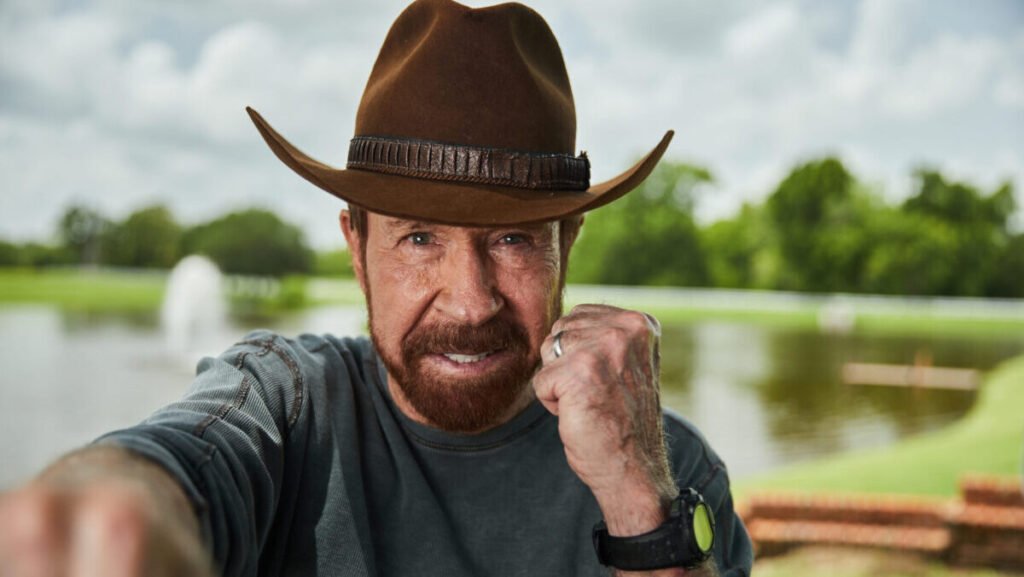
The news of Chuck Norris’s death on March 19, 2026 at age 86 stopped the internet. Not just because he was a cultural icon — but because of the detail that accompanied it: he had been working out the day before he died. Nine days earlier, on his 86th birthday, he posted a sparring video captioned “I don’t age — I level up.”
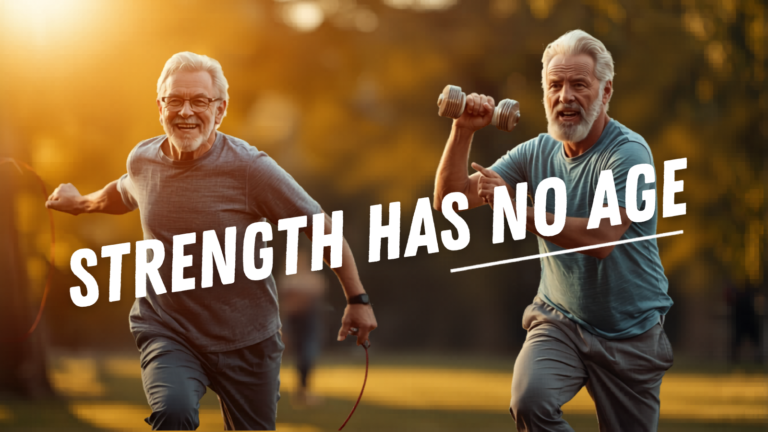
That image is worth sitting with. A man at 86, still training, still moving, still competing against the limitations that most people accept in their 50s and 60s. Norris wasn’t genetically extraordinary. He was disciplined. He built habits across six decades that the science of longevity consistently identifies in people who age well — and he never let them go.
This post is about those habits. Not the memes. Not the mythology. The actual, research-backed behaviors that determine whether your 70s and 80s look like Chuck Norris’s — or like the slow, painful decline that most people assume is inevitable but isn’t.
💡 60 percent of Americans now cite longevity and healthy aging as their top health motivator — overtaking weight loss and aesthetics for the first time. The question is no longer whether people want to live longer. It’s whether they know how. The answer has been in the research for decades.
The 7 Longevity Habits That Science Keeps Confirming
1. 💪 Resistance Training — The Non-Negotiable Foundation
Chuck Norris used the Total Gym — a bodyweight resistance machine — for decades. Not for aesthetics. For the preservation of the muscle mass that keeps every other system in the body functioning. This is the single most important exercise finding of the last twenty years: resistance training is the most powerful anti-aging intervention available to any adult over 50.
From age 30 onwards, adults lose 3–8% of muscle mass per decade. After 60, that rate accelerates. The clinical name is sarcopenia — and it directly causes falls, fractures, metabolic decline, and loss of independence. The only intervention with strong evidence to reverse it is progressive resistance training. Not walking. Not swimming. Resistance.
🔬 A 2022 review in Ageing Research Reviews confirmed that resistance training 2–3 times per week produces significant improvements in muscle mass, physical function, and fall risk in older adults — with effects measurable within 8 weeks of starting.
✅ The habit: Two resistance training sessions per week. 20–30 minutes each. A resistance band and a chair is all you need to start.
2. 🚶 Daily Low-Impact Movement — Consistency Over Intensity
Norris trained daily — not always at high intensity, but consistently. The longevity research on Blue Zones (the regions with the world’s highest concentrations of centenarians) consistently finds that the longest-lived people aren’t marathon runners or gym obsessives. They walk. They garden. They move consistently throughout the day rather than intensely for one hour and sedentarily for the other 23.
The most effective daily movement practice for longevity combines cardiovascular conditioning with varied intensity — exactly what Japanese walking’s fast-slow interval method delivers, and what the 12-3-30 incline treadmill method provides for anyone with access to a treadmill. Both require 30 minutes and no gym membership.
🔬 The Nurses’ Health Study, following 72,000 women over 20 years, found that walking at least 3 hours per week was associated with a 35% lower risk of cardiovascular events — comparable to vigorous exercise programs at a fraction of the intensity and injury risk.
✅ The habit: 30 minutes of walking daily, minimum 4 days per week. Add incline or intervals to make every minute count more.
3. 🥩 High Protein Intake — The Most Underrated Longevity Nutrient
The world’s longest-lived populations eat less than we do in the West — but they eat proportionally more protein per calorie, and they distribute it across all three meals. After 60, the body becomes less efficient at using dietary protein to build and repair muscle tissue (anabolic resistance), meaning seniors need more protein per kilogram of bodyweight than younger adults — not less.
Chuck Norris was known for meticulous nutrition discipline throughout his career. While his specific diet wasn’t publicly documented in detail, his physical condition into his 80s is consistent with what high protein intake combined with resistance training produces: preserved lean muscle mass, maintained metabolic rate, and the physical resilience that enables activity into advanced age.
🔬 Current research supports 1.2–1.6g of protein per kilogram of bodyweight daily for active older adults — significantly above the outdated RDA of 0.8g/kg. Studies show that meeting this target while resistance training produces 25% greater muscle protein synthesis over 24 hours.
✅ The habit: 25–30g of protein at every meal, distributed evenly across the day. Start with breakfast — it’s where most people fall shortest.
4. 🔥 Heat Therapy — The Recovery Tool Longevity Researchers Won't Stop Citing
Finnish longevity research — the most extensive in the world on sauna use — has followed thousands of men for decades. The findings are consistent: regular sauna use is independently associated with reduced cardiovascular mortality, lower dementia risk, decreased inflammation, and improved recovery from physical training.
Chuck Norris trained hard for six decades. The ability to train consistently across that timespan requires recovery — and heat therapy is one of the most evidence-backed recovery tools available. Whether through sauna, hot baths, or infrared therapy, deliberate heat exposure reduces the systemic inflammation that accumulates from years of physical activity and accelerates with age.
🔬 A landmark Finnish study found that men who used a sauna 4–7 times per week had a 40% lower risk of all-cause mortality compared to those using it once per week — independent of other lifestyle factors.
✅ The habit: 2–3 sauna or heat therapy sessions per week, 15–20 minutes each. Hot baths work. Infrared saunas work. The mechanism is heat exposure, not the specific delivery method.
5. 🥗 Anti-Inflammatory Nutrition — Eating to Reduce the Fire
Chronic low-grade inflammation is the biological thread connecting virtually every major age-related disease: cardiovascular disease, type 2 diabetes, dementia, cancer, and joint degeneration. The foods that drive inflammation — ultra-processed products, refined sugars, seed oils — are the foundation of the Western diet. The foods that extinguish it are the foundation of every long-lived culture studied.
The 5 longevity foods consistently identified in Blue Zone and centenarian research are leafy greens, legumes, whole grains, nuts, and berries — all high in fiber, polyphenols, and the micronutrients that support cellular repair. Chuck Norris’s discipline extended to his diet throughout his career, and his physical condition at 86 reflected that.
🔬 The PREDIMED trial — involving 7,447 participants at cardiovascular risk — found that a Mediterranean diet reduced major cardiovascular events by 30%. The trial was stopped early because the evidence was so clear. Anti-inflammatory eating is not complementary to longevity. It is foundational to it.
✅ The habit: Replace one processed food in your daily diet with a whole food equivalent. Replace cooking oils with extra virgin olive oil. Add a serving of legumes to one meal per day. These three changes alone meaningfully shift inflammatory markers.
6. 😴 Sleep — Where Testosterone Is Made and Inflammation Is Resolved
Chuck Norris’s physical capacity at 86 didn’t happen in the gym alone. It was built and preserved during sleep — the 7–9 hours per night when testosterone is produced, muscle protein synthesis peaks, inflammatory cytokines are cleared, and the brain consolidates the neural patterns that support coordination, balance, and reaction time.
One week of 5-hour nights reduces testosterone levels by up to 15% in otherwise healthy men — a larger decline than a decade of natural aging. Poor sleep accelerates sarcopenia, impairs balance, disrupts metabolic health, and elevates the chronic inflammation that drives every age-related disease. No supplement, no workout, and no diet overcomes chronically inadequate sleep.
🔬 University of Chicago research found that sleep-restricted individuals lost 55% more lean muscle during a caloric deficit compared to well-rested individuals on the same diet and exercise program. You cannot build or preserve muscle without adequate sleep.
✅ The habit: Consistent bedtime and wake time every day — including weekends. This single change improves sleep quality more reliably than any supplement or sleep hack identified in the research.
7. 🎯 Purpose and Discipline — The Longevity Factor Nobody Talks About
This is the one that separates Chuck Norris’s story from a fitness program. He didn’t train because he was trying to hit a goal. He trained because martial arts was his discipline, his identity, his purpose — for over 60 years. And the longevity research on purpose is as strong as the research on exercise.
Japanese researchers studying centenarians identified a concept called ikigai — loosely translated as a reason for being, a purpose that motivates you to get up in the morning. Studies on ikigai and longevity have found it independently associated with lower all-cause mortality, better cardiovascular health, and significantly higher rates of physical activity maintenance into advanced age.
Chuck Norris had a reason to train that went far deeper than health. Martial arts was who he was. Every person reading this needs the equivalent — a reason to keep moving that goes beyond weight loss or doctor’s orders. Whether it’s martial arts, walking for grandchildren, competitive sport, or simply the commitment to never stop, the why is what keeps the habits alive when motivation fades.
💡 Norris’s family said he ‘lived his life with faith, purpose, and an unwavering commitment to the people he loved.’ Purpose isn’t soft. In the longevity research, it is one of the strongest predictors of how long and how well you live.
What a Longevity Lifestyle Actually Looks Like Week to Week
These seven habits don’t require a Hollywood career or a martial arts background. They require consistency across years. Here’s what a week built around them looks like:
- Resistance training — 2 sessions, 20–30 minutes. Resistance bands or a chair is all you need.
- Daily walking — 30 minutes minimum, 4+ days. Add intervals or incline to extract more from every session.
- Protein at every meal — 25–30g, three times daily. See the complete protein guide for sources and targets.
- Anti-inflammatory foods daily — the 5 longevity foods cover this in full.
- Heat therapy 2–3x per week — sauna, hot bath, or infrared. 15–20 minutes.
- Consistent sleep — same bedtime, same wake time, every day.
- A reason to keep going — build habits with meaning, not just metrics.
Chuck Norris lived all seven of these. He didn’t know about longevity research — he just trained with discipline and purpose for six decades. The science caught up to what his life had already proven. He was working out the day before he died at 86. That is what these habits can do.
Frequently Asked Questions
What is the single most important habit for longevity?
The research points consistently to resistance training as the highest-leverage single intervention — because it addresses muscle loss, bone density, metabolic function, and fall prevention simultaneously. But the honest answer is that the single most important habit is whichever one you will actually maintain for decades. Chuck Norris’s greatest longevity asset wasn’t his workout — it was his consistency across 60 years.
Is it too late to start if you're already in your 60s or 70s?
No — and the research is unambiguous on this. Studies consistently show meaningful improvements in muscle mass, strength, bone density, and cardiovascular function in adults who begin resistance and aerobic training in their 60s, 70s, and even 80s. The body does not stop responding to training stimulus with age. It simply requires that the stimulus be applied. The best time to start was 20 years ago. The second best time is today.
Did Chuck Norris follow a special diet?
His specific dietary details weren’t publicly documented in depth. What is known is that he maintained exceptional physical condition into his 80s — which is consistent with high protein intake, disciplined nutrition, and the anti-inflammatory eating patterns associated with longevity research. His physical condition at 86 was the outcome — whatever produced it was working.
What is a Blue Zone and what do those people eat?
Blue Zones are the five regions with the highest concentrations of centenarians: Sardinia (Italy), Okinawa (Japan), Nicoya (Costa Rica), Ikaria (Greece), and Loma Linda (California). Dietary analysis across all five consistently shows high intake of legumes, whole grains, leafy greens, and nuts — low in processed food and meat, high in fiber and plant polyphenols. The same foods that reduce inflammation, support gut health, and protect cardiovascular function.
How does sleep affect longevity?
Sleep is where testosterone is produced, muscle is repaired, inflammatory cytokines are cleared, and neural patterns supporting balance and coordination are consolidated. Chronically poor sleep accelerates muscle loss, impairs metabolic function, and is independently associated with higher all-cause mortality in virtually every large cohort study. There is no longevity strategy that overcomes chronically poor sleep.
What can I take from Chuck Norris's approach to fitness?
The most important thing isn’t the specific exercise he did — it’s that he never stopped. He began martial arts training at 18 and was still training at 86. The longevity research confirms this is the critical variable: not the type of exercise, not the intensity, but the continuity across decades. Read more about his fitness legacy and what it teaches us directly: Chuck Norris Worked Out the Day Before He Died at 86.
The Short Version
Chuck Norris was working out the day before he died at 86. He wasn’t a genetic outlier — he was someone who built seven specific habits and never stopped. The science of longevity identifies the same seven in virtually every population study of people who age well:
- Resistance training 2x per week — the only intervention proven to reverse sarcopenia
- Daily low-impact movement — consistent walking beats occasional intensity every time
- High protein intake — 1.2–1.6g/kg daily, distributed across three meals
- Anti-inflammatory nutrition — the 5 longevity foods are where to start
- Heat therapy — sauna 2–3x per week reduces cardiovascular mortality by up to 40%
- Consistent sleep — where testosterone is made and muscle is repaired
- Purpose — the habit that keeps all the other habits alive across decades
He declared on his 86th birthday: “I don’t age — I level up.” That’s not bravado. That’s what six decades of disciplined habits look like from the outside. The same blueprint is available to anyone willing to start.
Related reading:
- Chuck Norris Worked Out the Day Before He Died at 86 — His Fitness Legacy
- 10 Small Daily Habits That Compound Into Major Health Gains After 60
- Seated Resistance Band Exercises for Seniors — Where to Start With Resistance Training
- Sarcopenia — Why Muscle Loss Is the Biggest Threat to Your Longevity
- 5 Foods Seniors Should Eat Every Single Day — The Anti-Inflammatory Foundation
- Sauna for Seniors — The Heat Therapy Research and Longevity Connection
- Testosterone and Aging — The Hormonal Foundation That Underpins Everything
- Japanese Walking — The Daily Movement Habit Backed by 20 Years of Research
- The 12-3-30 Treadmill Workout — The Most Efficient Low-Impact Cardio Available
- Functional Fitness for Seniors — Train the Movements That Keep You Independent
⚠️ Medical Disclaimer: This article is for informational and educational purposes only and does not constitute medical advice. Always consult your physician before beginning a new exercise program, particularly if you have a cardiovascular condition, joint replacement, diabetes, or other chronic health condition.