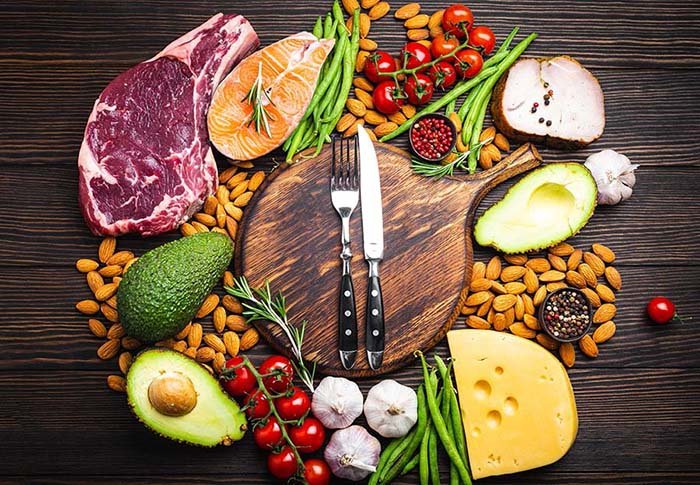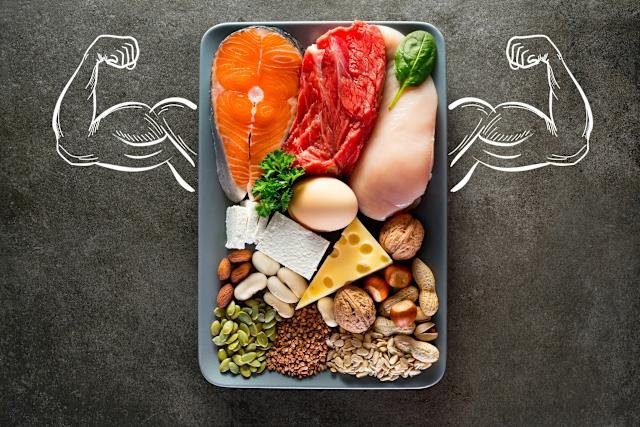
The protein-first rule is one of the most searched nutrition approaches of 2026 — and it’s one of the few diet trends that genuinely has the research to back it up. The concept is almost aggressively simple: at every meal, eat your protein source first before touching carbohydrates, vegetables, or anything else on the plate. That’s the entire rule. No tracking, no banning food groups, no complicated phases.
What makes it interesting isn’t the rule itself — it’s what eating protein first actually does to your blood sugar, your appetite hormones, your muscle tissue, and your total caloric intake over the course of a day. The physiological chain reaction that starts from a single behavioral change is surprisingly powerful — and it’s why this approach is gaining serious traction among both performance nutrition researchers and everyday people exhausted by complicated diet plans.
💡 Protein-first eating has exploded in 2026, driven by everyone from fitness influencers to registered dietitians recommending it as the simplest, most evidence-backed nutritional shift available. Unlike restrictive diets, it’s about adding something beneficial — not cutting anything out.
Why Eating Protein First Actually Works — The Science
🩸 It Flattens Your Blood Sugar Spike
When you eat carbohydrates — bread, rice, pasta, fruit — your body rapidly converts them to glucose, triggering an insulin response. The size of that spike determines how hungry you feel an hour later, how much energy you have, and how much of that meal gets stored as fat versus burned as fuel.
Eating protein first changes that equation completely. A 2023 study published in Diabetes Care found that eating protein and vegetables before carbohydrates reduced post-meal blood glucose by up to 38% compared to eating carbohydrates first — in the same meal, with the same foods, just in a different order. The protein slows gastric emptying, meaning carbohydrates enter the bloodstream more gradually, producing a flatter, more stable glucose curve.
For anyone managing blood sugar, metabolic health, or simply trying to avoid the 2pm energy crash that follows a carb-heavy lunch, this single change produces measurable results within days.
🍽️ It Kills Hunger — With Chemistry, Not Willpower
Protein is the most satiating macronutrient by a significant margin — not because of a vague sense of fullness, but because of specific hormonal mechanisms. Eating protein triggers the release of GLP-1, PYY, and CCK — the appetite-suppressing hormones that signal to your brain that you’ve had enough. It simultaneously suppresses ghrelin — the hunger hormone that drives cravings and overeating.
A 2021 meta-analysis of 24 randomised controlled trials found that high-protein diets reduced daily caloric intake by an average of 441 calories per day without any deliberate caloric restriction — purely through the appetite-suppressing effect of protein. Eating protein first front-loads this hormonal response, meaning you’re already less hungry before you reach the carbohydrates on your plate. You naturally eat less of everything that follows.
🔬 American Journal of Clinical Nutrition: Increasing protein from 15% to 30% of total calories caused participants to spontaneously reduce daily intake by 441 calories, lose 11 pounds over 12 weeks, and report significantly lower hunger levels — without being told to eat less.
💪 It Protects Your Muscle Mass
Every meal is an opportunity for muscle protein synthesis — the process by which your body repairs and builds muscle tissue. But this process requires a threshold amount of protein per meal to trigger meaningfully — approximately 25–40g for most adults, higher for older adults experiencing anabolic resistance. A meal that leads with carbohydrates and finishes with a small amount of protein often fails to hit that threshold, particularly when the total protein content is modest.
Eating protein first ensures you consume the full protein portion of your meal — you’re less likely to fill up on bread and leave the chicken half-eaten. Over weeks and months, consistently hitting that per-meal protein threshold produces measurably better muscle preservation and body composition outcomes than spreading the same amount of protein erratically across a day.
How to Apply the Protein-First Rule — Practically
The Target: 25–30g of Protein Per Meal
Research consistently identifies 25–30g of protein per meal as the threshold for maximising muscle protein synthesis and appetite suppression. This isn’t about precision — it’s about ensuring each meal anchors around a meaningful protein source rather than treating protein as a side note.
For context on what 25–30g looks like in practice and the best food sources to build meals around, our complete guide to the best protein sources covers everything from animal proteins to plant-based options, with gram counts for each.
What ‘Eating First’ Actually Means
It means serving yourself protein, putting it on your fork, and eating several bites before touching anything else on the plate. It doesn’t mean eating the entire portion before starting on vegetables — it means establishing protein as the foundation of each meal rather than an afterthought.
In practice: eat three or four bites of chicken, fish, eggs, or legumes before picking up the bread roll. Finish your Greek yogurt before your granola. Eat the eggs before the toast. The vegetables can go alongside — they’re low-glycemic and won’t interfere with the blood sugar benefit the way refined carbohydrates do.
Breakfast Is the Most Important Meal to Apply This
Most people eat their lowest-protein meal at breakfast — cereal, toast, fruit — and their highest-protein meal at dinner. This is nutritionally backwards. The research on protein distribution consistently shows that spreading protein evenly across three meals produces significantly better muscle protein synthesis over 24 hours than concentrating it in the evening.
Applying protein-first at breakfast is the single highest-leverage implementation of this rule. Two eggs plus Greek yogurt before your fruit or toast puts 25–30g of protein at the start of the day, stabilises blood sugar through the morning, and reduces the likelihood of overeating at lunch.
🥚 Start today: Tomorrow morning, eat your eggs or Greek yogurt before anything else on your plate. That’s your first protein-first meal. Do it for seven consecutive days and notice the difference in your hunger levels by mid-morning.
The Best Protein-First Foods to Build Meals Around
- Eggs — 6g per egg, complete amino acid profile, fast to prepare. Two eggs = 12g; add Greek yogurt and you’re at 25g before the toast.
- Greek yogurt (plain) — 15–20g per cup depending on brand. The highest-protein dairy option available and pairs with almost any breakfast food.
- Chicken breast or thigh — 25–30g per 100g serving. The easiest protein anchor for lunch and dinner.
- Salmon and fatty fish — 20–25g per serving plus omega-3s that support cardiovascular and joint health. One of the longevity foods with the strongest evidence base.
- Cottage cheese — 25g per cup, high in casein protein which digests slowly, making it particularly effective for satiety and overnight muscle repair.
- Legumes — lentils and chickpeas provide 15–18g per cooked cup alongside the fiber that compounds the blood sugar benefits of protein-first eating.
Protein shakes — 20–30g per serving depending on the product. Useful as a protein-first anchor when whole food options aren’t accessible — not a replacement for whole food protein sources.
How Protein-First Fits the Bigger Nutritional Picture
The protein-first rule works best as part of a broader nutritional foundation — not as a standalone fix. Combining it with an anti-inflammatory eating pattern like the Mediterranean approach addresses inflammation, gut health, and cardiovascular risk simultaneously. Pairing it with high daily fiber intake compounds the blood sugar and satiety benefits significantly — fiber slows glucose absorption in the same way protein does, and together they create a powerful metabolic effect.
For anyone over 40, the muscle-preservation benefit of protein-first eating becomes increasingly important alongside resistance training — the combination of adequate per-meal protein and progressive resistance is the most evidence-backed approach to slowing age-related muscle loss available. Food alone isn’t enough, and exercise alone isn’t enough. Both together are.
The full framework for stacking protein-first eating alongside the other daily habits that compound into major health gains shows exactly how these nutritional changes integrate with movement, sleep, and recovery for outsized long-term results.
Frequently Asked Questions
What is the protein-first rule?
The protein-first rule means eating the protein portion of your meal — meat, fish, eggs, dairy, or legumes — before consuming carbohydrates or other components of the same meal. The goal is to front-load the appetite-suppressing, blood-sugar-stabilizing, and muscle-preserving effects of protein at the start of each eating occasion rather than consuming protein as an afterthought after filling up on bread, rice, or other carbohydrates.
Does eating protein first actually help with weight loss?
Yes — through appetite suppression rather than caloric restriction. Research shows high protein intake reduces spontaneous daily caloric intake by an average of 441 calories through hormonal mechanisms involving GLP-1, PYY, CCK, and ghrelin. Eating protein first front-loads this effect at every meal. Combined with resistance training to preserve muscle during any caloric deficit, it is one of the most evidence-backed approaches to sustainable fat loss.
How much protein should I eat per meal?
The research-backed threshold for maximizing muscle protein synthesis and appetite suppression is 25–40g of protein per meal, with older adults typically requiring the higher end due to anabolic resistance. See our complete breakdown of the best protein sources for hitting these targets through whole food rather than supplementation.
Is protein-first eating the same as a high-protein diet?
Related but distinct. A high-protein diet increases total daily protein intake. Protein-first eating is specifically about the order in which you consume foods within a meal. You can apply the protein-first rule on a moderate protein intake and still get the blood sugar and satiety benefits. The two approaches are complementary — applying protein-first eating while also increasing total protein intake produces the strongest results for both weight management and muscle preservation.
Can I apply the protein-first rule if I’m vegetarian or vegan?
Yes. The rule applies regardless of protein source. Legumes, tofu, tempeh, edamame, seitan, cottage cheese (vegetarian), and Greek yogurt all qualify. The key is ensuring the protein portion leads the meal — eating lentil soup before the bread, or tofu before the rice, achieves the same blood sugar and satiety effect as animal protein.
Does it matter what I eat after the protein?
Less than most people think — which is part of what makes this rule practical. The blood sugar benefit comes from the protein slowing gastric emptying and blunting the glucose spike from carbohydrates that follow. This means you don’t have to ban carbohydrates — you just position them after the protein. Prioritizing anti-inflammatory foods and high-fiber vegetables alongside your carbohydrates amplifies the benefit further, but the protein-first sequence is where the majority of the effect comes from.
Is protein-first eating safe for people with kidney disease?
Higher protein intake is not recommended for people with existing kidney disease or significantly reduced kidney function, as impaired kidneys struggle to process protein metabolic byproducts. If you have diagnosed kidney disease or are at risk, consult your physician or a registered dietitian before significantly increasing protein intake. For people with healthy kidneys, the research consistently shows high protein intake — up to 2g per kg of bodyweight — does not impair kidney function.
The Short Version
The protein-first rule: eat your protein source before anything else at every meal. The research shows it:
- Reduces post-meal blood glucose by up to 38% — same foods, different order
- Cuts spontaneous daily caloric intake by ~441 calories through appetite-suppressing hormones — no willpower required
- Maximises muscle protein synthesis by ensuring the protein threshold is hit before appetite is satisfied by carbohydrates
- Requires zero restriction — no banned foods, no tracking, no phases
Target 25–30g of protein per meal, lead with it every time, and pair it with anti-inflammatory eating and daily resistance training for the most complete nutritional and physical foundation available. It’s the simplest high-impact nutritional change most people aren’t making.
Related reading:
- The Best Protein Sources for Building Muscle and Managing Weight
- 5 Foods to Eat Every Day — The Anti-Inflammatory Nutritional Foundation
- Fibermaxxing — The Diet Shift That Compounds the Blood Sugar Benefits of Protein-First
- Sarcopenia — Why Protein Intake Is the Most Critical Nutritional Variable After 40
- 10 Small Daily Habits That Compound Into Major Health Gains
- Seated Resistance Band Exercises — The Training That Makes Protein-First Work Harder
- Top 5 Ways to Reduce Joint Pain Without Medication — How Protein Supports Recovery
- Testosterone and Aging — How Protein Intake Supports Hormonal Health
⚠️ Medical Disclaimer: This article is for informational and educational purposes only and does not constitute medical advice. If you have kidney disease, diabetes, or any other chronic health condition, consult your physician or a registered dietitian before significantly changing your protein intake.