| Standard Rule | Senior Modification (2026) | Benefit |
|---|---|---|
| 2x 45-Min Workouts | 1 Resistance + 1 Zone 2 Walk | Protects joints while building lean muscle. |
| 1 Gallon Water | Weight-Based + Electrolytes | Prevents hyponatremia and protects kidneys. |
| Strict Diet | Fiber-Maxxing / High Protein | Supports gut health and metabolic rate. |
| No Alcohol | Strict Zero-Tolerance | Reduces systemic inflammation and liver stress. |
| Daily Photo | Progressive Body Comp Track | Visual proof of posture and muscle improvements. |
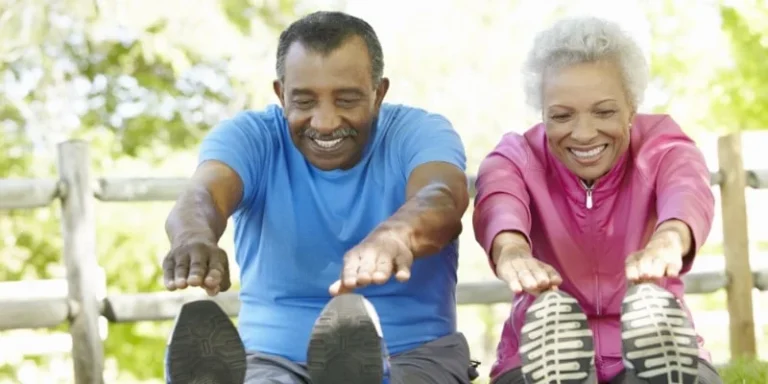
The “75 Hard” challenge has long been the gold standard for testing mental grit, but in 2026, the trend has officially moved into the longevity space. We are seeing a massive surge in “Silver Toughness”—seniors over 60 who are reclaiming their vitality by adapting this rigorous program. For the Se7enSymbols community, this isn’t about reckless intensity; it’s about using a structured framework to fight back against the natural metabolic and physical declines of aging.
As we age, consistency becomes our most powerful weapon. Whether you are focused on lean muscle retention or maintaining renal health through smart hydration, 75 Hard provides the external “rules” that turn these goals into non-negotiable habits. However, for those over 60, “Hard” doesn’t have to mean “Dangerous.”
By strategically modifying the original rules to prioritize recovery and joint integrity, you can experience the transformative mental clarity of the challenge without the risk of burnout or injury.
1. The "Two-a-Day" Recovery Strategy
The original 75 Hard requires two 45-minute workouts. For seniors, the secret to surviving this is Intensity Splitting. Instead of two high-impact sessions, we recommend pairing one functional strength session with one Zone 2 walking session.
One of these must be outdoors. In 2026, we know that “Green Exercise” (outdoor movement) significantly boosts vitamin D levels and improves circadian rhythm—two critical factors for somatic recovery and sleep. Using your outdoor session for a brisk walk in nature provides the cardiovascular stimulus your heart needs without overtaxing your central nervous system.
2. Bio-Intuitive Nutrition (No Cheat Meals)
The “No Cheat Meal” rule is the cornerstone of mental toughness. For seniors, this shouldn’t mean a restrictive “crash diet.” Instead, it’s the perfect time to adopt a fiber-maxxing, protein-first approach.
By committing to zero alcohol and zero ultra-processed foods for 75 days, you allow your systemic inflammation to drop. This “internal reset” is often the missing link for those struggling with nagging joint pain or “brain fog.” Focus on whole, single-ingredient foods—think of it as high-performance fuel for a high-performance life.
3. The Hydration Safety Protocol
The standard 1-gallon water rule can be problematic for seniors, especially those managing kidney function or blood pressure. In 2026, we advocate for Precision Hydration. Instead of a flat gallon, we recommend aiming for mineral-dense hydration tailored to your body weight and activity level.
Adding electrolytes (magnesium, potassium, and sodium) to your water ensures that the increased fluid intake actually reaches your cells rather than just flushing out essential minerals. This is a critical modification to keep your kidneys safe and stone-free during the 75-day sprint.
4. Mental Growth: The 10-Page Rule
75 Hard isn’t just a physical challenge; it’s an “Ironman for the brain.” Reading 10 pages of non-fiction daily is a powerful tool for cognitive longevity. We suggest focusing on books that enhance your understanding of your own biology or personal development.
This daily habit builds “cognitive reserve,” protecting the brain against age-related decline. When combined with the discipline of the daily progress photo, you create a visual and mental record of your transformation that fuels your motivation through the difficult “middle weeks” (days 30–50).
🎙️ Voice Search FAQ: Senior 75 Hard
"Is 75 Hard safe for someone over 60?"
It can be, provided you modify the workouts. Focus on low-impact movements like Zone 2 walking and swimming, and ensure your doctor approves your hydration and nutrition plan.
"What are the best 75 Hard modifications for seniors?"
The most important modifications are: replacing the “gallon” of water with weight-based precision hydration, and ensuring one of your two workouts is a low-intensity recovery session like yoga or walking.
"Do I have to start over if I miss a day at 65?"
The “Start Over” rule is what builds the mental toughness the program is famous for. However, if you have an injury, listen to your body first. You can always pivot to “75 Soft” and keep the momentum without the “restart” pressure.
"Can I drink coffee or tea on 75 Hard?"
Yes, as long as they fit your chosen “structured diet” and contain no sugar or artificial sweeteners. Plain black coffee and herbal teas are great for staying hydrated and focused.
"What kind of books should a senior read for 75 Hard?"
Choose non-fiction books on functional fitness, nutrition, or history. The goal is learning and mental expansion, so avoid fiction for these 10 pages.
The Short Version: "Silver Toughness" Checklist
Split Intensity: 1 Strength session + 1 Zone 2 Walk.
Fuel Right: Zero alcohol and high-protein/high-fiber focus.
Smart Water: Use electrolytes instead of just plain bulk water.
Read Daily: 10 pages of non-fiction to sharpen the mind.
Track Growth: Take your daily photo to witness your metabolic reset.
Related Reading
Disclaimer: 75 Hard is an intense program. Seniors, especially those with pre-existing heart or kidney conditions, must consult with a healthcare professional before attempting the standard gallon-water or two-workout rules.