Most men over 60 notice the signs without knowing the cause. Strength that used to come easily now requires real effort to maintain. Body fat accumulates — especially around the abdomen — even without obvious changes in diet. Energy is lower. Recovery from exercise takes longer. Sleep is less restorative. Mood is quieter, flatter.
These aren’t just signs of getting older. Many of them are the downstream effects of a slow, steady decline in testosterone — the primary anabolic hormone in men, responsible for maintaining muscle mass, bone density, metabolic rate, cognitive sharpness, and vitality.
The decline is real, measurable, and consequential. But it is also significantly modifiable through lifestyle. Exercise, nutrition, sleep, and stress management can meaningfully slow the decline — and in some cases partially reverse it — without pharmaceutical intervention. This guide covers exactly how, and how it connects to the muscle loss and sarcopenia challenge at the heart of senior health.
How Much Does Testosterone Actually Decline With Age?
The numbers are clear and consistent across large-scale studies. Total testosterone drops by roughly 1–2% per year after age 30, with free testosterone — the biologically active form — declining even faster at around 2–3% per year. By the time a man reaches his 70s, he typically has less than two-thirds of the testosterone he had at his peak.
Age Range | Typical Total Testosterone | Change From Peak |
|---|---|---|
Age 25–35 (peak) | 600–900 ng/dL | Baseline |
Age 50–60 | 400–600 ng/dL | ~20–35% below peak |
Age 65–75 | 300–500 ng/dL | ~35–50% below peak |
Age 75+ | 200–400 ng/dL | ~50–65% below peak |
These are population averages — individual variation is significant. Some men in their 70s maintain levels comparable to men in their 40s. Others experience a sharper decline. The key variable, as we’ll discuss, is often lifestyle more than genetics.
💡 A 2025 study published in Urology found that much of what is attributed to ‘age-related’ testosterone decline is actually associated with obesity and metabolic health, not chronological age alone. Men with healthy body composition maintained significantly higher testosterone levels well into their 70s.
Why Declining Testosterone Matters — Beyond the Obvious
Testosterone is widely associated with libido and sexual function — but its role in senior health goes much further. Every major system in the male body is affected by testosterone decline, and the effects compound each other in ways that accelerate overall aging:
Muscle Mass and Strength
Testosterone is the body’s primary anabolic hormone — the signal that tells muscle tissue to grow and repair. As levels fall, muscle protein synthesis slows and muscle breakdown accelerates. This is the direct hormonal mechanism behind sarcopenia — the age-related muscle loss that affects up to 50% of adults over 80.
The numbers are sobering: men in their 70s have lost 25–30% of their skeletal muscle compared to their 20s, and muscle strength drops by 30–40%. Each decade between 65 and 80, men can lose up to 8% of their remaining muscle mass. This isn’t just an aesthetic concern — it directly drives fall risk, fracture risk, metabolic decline, and loss of independence.
💡 Research shows that testosterone decline with age is a direct trigger for muscle loss in older men — not just a correlation. Studies on androgen deprivation therapy (used in prostate cancer treatment) show that artificially lowering testosterone causes 3–6% muscle mass loss and 15–17% strength loss within months.
Body Composition and Metabolism
As testosterone falls, the body tends to shift toward greater fat storage — particularly visceral fat around the abdomen. This visceral fat contains an enzyme called aromatase that converts testosterone into estrogen, creating a self-reinforcing cycle: lower testosterone leads to more fat, more fat leads to lower testosterone. A 4-inch increase in waist size increases the likelihood of clinically low testosterone by up to 75%.
Bone Density
Testosterone plays a direct role in maintaining bone mineral density. Declining levels contribute to the bone loss that, combined with reduced muscle mass, dramatically increases fracture risk in older men. The risk is particularly acute for seniors recovering from procedures like hip replacement, where surrounding bone and muscle quality directly affects recovery outcomes.
Cognitive Function and Mood
Testosterone receptors are present throughout the brain. Low levels are associated with reduced cognitive sharpness, poor concentration, depression, irritability, and fatigue — symptoms frequently dismissed as ‘just aging’ or treated as isolated mental health conditions without investigating the hormonal contributor. Research consistently links low testosterone to increased risk of depression and cognitive decline in older men.
Cardiovascular Health
Low testosterone is independently associated with hypertension, insulin resistance, type 2 diabetes, and cardiovascular disease. The metabolic syndrome that often accompanies hormonal decline — visceral fat, elevated blood sugar, poor lipid profiles — is a major driver of heart disease risk in men over 60.
What You Can Actually Do: The Natural Interventions With Real Evidence
This is the section most men are looking for — and the research is genuinely encouraging. Lifestyle interventions can meaningfully slow testosterone decline and, in men who are overweight or sedentary, partially reverse it. Harvard Health, the University of Utah, and a 2025 systematic review published in PMC all converge on the same four pillars:
1. Resistance Training — The Most Powerful Single Intervention
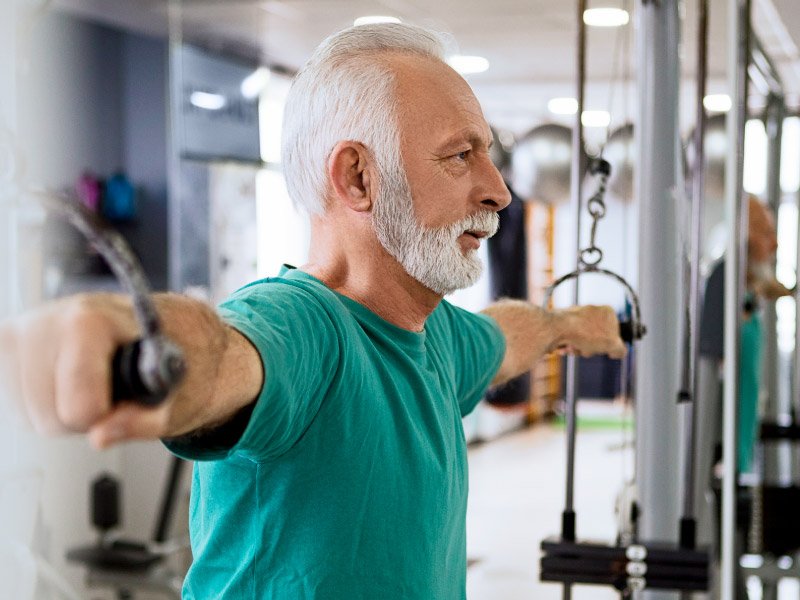
Resistance training is the most effective non-pharmaceutical method for raising testosterone production in older men. The mechanism is well-established: heavy compound movements that recruit large muscle groups — squats, rows, presses — trigger acute testosterone release and, over time, upregulate androgen receptor sensitivity in muscle tissue, making the testosterone you do have more effective.
Both the intensity and the muscle groups targeted matter. The largest improvements come from moderate-to-high intensity resistance exercise involving large muscle groups. Isolation exercises (bicep curls, calf raises) produce minimal hormonal response. For seniors, this doesn’t mean lifting dangerously heavy — it means choosing exercises that challenge the major muscles of the legs, back, and chest with progressive resistance.
For seniors with limited mobility, seated resistance band exercises targeting the major muscle groups and chair workouts built around compound movements still generate meaningful hormonal stimulus — far more than no training at all.
⚠️ Endurance exercise alone — long-distance running, cycling for hours — has less testosterone benefit and in excess can actually decrease levels. The hormonal sweet spot for seniors is moderate-intensity resistance training combined with moderate aerobic work, not extreme endurance.
2. Lose Visceral Fat — The Viscious Cycle Breaker
Because visceral abdominal fat directly converts testosterone to estrogen, losing excess body fat is one of the most impactful things an older man can do for his testosterone levels. Research shows that meaningful weight loss can boost testosterone production by up to 30% in overweight men — an effect comparable to low-dose pharmaceutical intervention.
The combination of resistance training, aerobic exercise, and the anti-inflammatory diet approach we cover in detail on Se7en Symbols is the most evidence-backed framework for achieving and maintaining healthy body composition in seniors — and the testosterone benefits compound on top of everything else.
3. Sleep — Where Testosterone Is Made
Most of the body’s testosterone is produced during sleep — specifically during deep REM sleep. Testosterone levels peak around 4:00 a.m. and are at their lowest by evening. Studies show that just one week of sleeping 5 hours per night reduces testosterone levels by up to 15% in otherwise healthy men — a larger decline than a decade of natural aging.
For seniors, sleep quality is often compromised by sleep apnea, pain, frequent waking, and poor sleep hygiene. Treating sleep apnea alone can produce significant testosterone recovery. Prioritising 7–9 hours of quality sleep is not optional for hormonal health — it’s one of the highest-leverage changes an older man can make.
💡 University of Utah urologist Dr. James Hotaling specifically highlights sleep as one of the four evidence-backed pillars for naturally maintaining testosterone in older men — alongside resistance training, healthy weight management, and diet quality.
4. Nutrition — Feeding Hormone Production
Testosterone synthesis requires specific nutritional raw materials. Three nutrients are particularly well-evidenced for supporting healthy testosterone levels in older men:
- Zinc: Directly involved in testosterone synthesis and secretion. Deficiency — common in older adults — is associated with low testosterone. Rich sources: oysters, red meat, pumpkin seeds, eggs, legumes. Supplementation helps only if you’re deficient
- Vitamin D: Functions more like a hormone than a vitamin, and testosterone production depends on adequate levels. Deficiency is epidemic in seniors. Optimizing vitamin D to 40–60 ng/mL is associated with significantly better testosterone levels. Most seniors need 1,500–2,000 IU daily of D3 with K2
- Healthy fats: Testosterone is a steroid hormone synthesized from cholesterol. Diets extremely low in dietary fat are associated with lower testosterone levels. Prioritize healthy fats from olive oil, avocados, nuts, and fatty fish as the foundation of your fat intake
- Magnesium: Plays a role in testosterone synthesis and enhances sleep quality — itself a testosterone driver. Deficiency is prevalent in seniors. Best food sources: dark leafy greens, pumpkin seeds, dark chocolate, almonds
The Mediterranean dietary pattern — which naturally provides all four of these nutrients alongside its anti-inflammatory benefits — is specifically highlighted in a 2025 PMC systematic review as supporting endogenous testosterone production while reducing systemic inflammation in older men.
5. Manage Stress and Cortisol
Cortisol — the primary stress hormone — is directly antagonistic to testosterone. When cortisol rises, testosterone falls. Chronic stress, whether from psychological pressure, overtraining, poor sleep, or systemic inflammation, chronically suppresses testosterone production. This is one of the reasons that reducing inflammation and prioritizing recovery between workouts matters hormonally, not just physically.
6. Avoid Alcohol and Tobacco
The evidence is unambiguous: heavy alcohol consumption reduces testosterone production — and the effect appears within days. A 2025 WebMD review confirmed that it takes only 5 days of regular drinking for testosterone levels to drop measurably. Alcohol also disrupts sleep architecture, reduces REM sleep, and contributes to visceral fat accumulation — hitting three of the four testosterone pillars simultaneously. Tobacco independently reduces testosterone through effects on testicular blood flow and Leydig cell function.
What About Testosterone Supplements and Boosters?
The supplement market for testosterone is enormous — and largely unsupported by evidence. A 2025 systematic review examined the most commonly marketed ‘testosterone boosters’ and found that the vast majority lacked clinical evidence for meaningful hormonal effects. A few specific compounds showed modest promise:
- Ashwagandha (KSH-66 extract): The most well-evidenced adaptogenic herb for testosterone. Multiple randomised trials show it reduces cortisol and modestly supports testosterone levels in men with elevated stress — a meaningful benefit for seniors given cortisol’s direct antagonism with testosterone
- Zinc supplementation: Effective only if you are actually zinc deficient. Supplementing above adequate levels produces no additional benefit. Get a blood test before supplementing
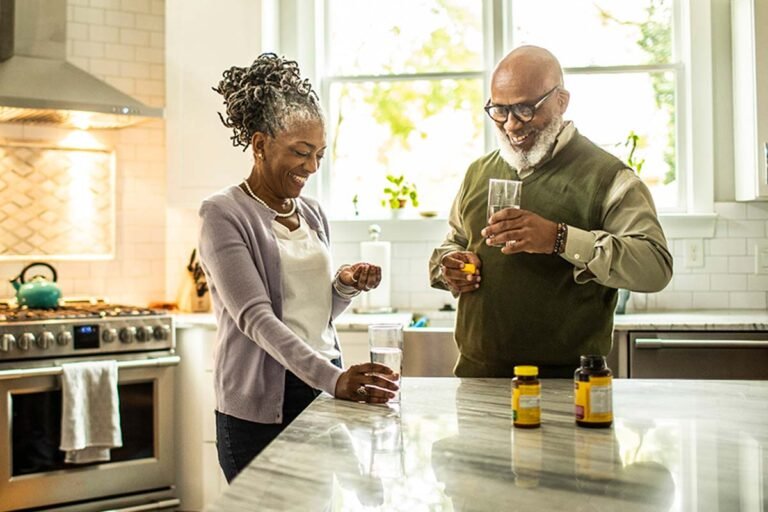
- Vitamin D3: Strongly supported — but again, only if deficient, which most seniors are. A blood test (25-OH vitamin D) costs very little and removes the guesswork
- Creatine: Not a direct testosterone booster, but meaningfully supports muscle mass and strength through independent mechanisms — making it arguably the most useful supplement for senior men dealing with the downstream effects of testosterone decline
⚠️ Many ‘testosterone booster’ supplements contain undisclosed pharmaceutical compounds or excessive doses of nutrients that can be harmful. The VA Whole Health Library specifically notes that supplements are not regulated with the same oversight as medications. Always discuss new supplements with your physician, especially if you take any prescription medications.
What About Testosterone Replacement Therapy (TRT)?
Testosterone Replacement Therapy is a legitimate medical treatment for men with clinically low testosterone — typically defined as below 300 ng/dL with symptoms. It requires a physician evaluation, blood testing, and ongoing monitoring.
The research on TRT in older men is generally positive for muscle mass, bone density, mood, and sexual function — but the decision involves trade-offs and considerations that require individual medical assessment:
- Potential benefits: Increased muscle mass and strength, improved bone density, better mood and energy, improved sexual function and libido
- Potential risks: Increased red blood cell production (thickened blood), possible effects on cardiovascular risk, prostate-related considerations, testicular atrophy, infertility, and the need for long-term monitoring
- Not a shortcut: TRT works best in men who are also exercising and eating well. Men who use TRT without lifestyle changes see smaller gains and greater side effect risk
If you’re experiencing symptoms of low testosterone — fatigue, muscle loss, mood changes, reduced libido — the right first step is a blood test and a conversation with your physician, not a trip to the supplement aisle. A simple total testosterone blood panel is inexpensive and gives you the actual data to make an informed decision.
Your Natural Testosterone Optimization Plan
You don’t need a complex protocol. The evidence points to the same core actions that support virtually every aspect of senior health — compounding on each other in a way that goes far beyond testosterone alone:
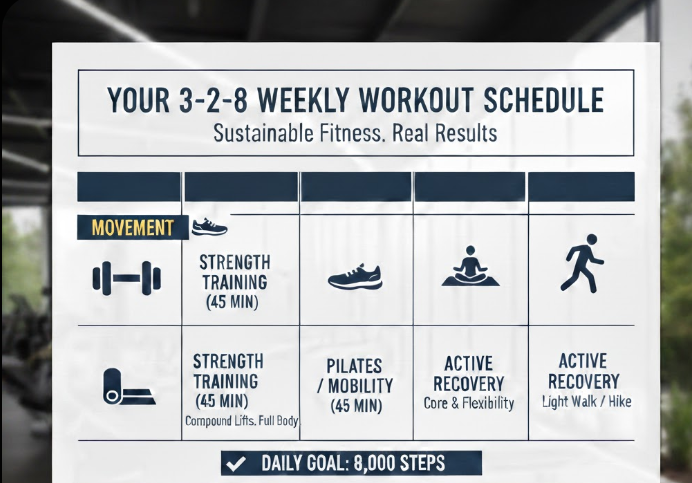
- Train with resistance 3 times per week: Focus on compound movements that challenge large muscle groups. Use seated resistance bands or chair workouts if mobility is limited. Pair with moderate cardio like the 12-3-30 for maximum body composition benefit
- Protect your sleep aggressively: Seven to nine hours. Treat sleep apnea if you have it. Avoid screens and alcohol before bed. This is where testosterone is made
- Eat to support hormones: Follow the anti-inflammatory Mediterranean pattern. Get adequate healthy fats, zinc, vitamin D, and magnesium. Don’t severely restrict dietary fat
- Lose visceral fat: The single most impactful change for men who are overweight. Resistance training and diet together address this most effectively. Every inch off the waistline helps
- Reduce alcohol: Even moderate reductions have measurable hormonal effects. The 75-day commitment in our 75 Strong Challenge includes alcohol elimination — the testosterone benefits alone make it worthwhile
- Get tested: If you suspect low testosterone, get a blood panel. You can’t optimize what you don’t measure. And if levels are clinically low, the conversation with your doctor becomes informed rather than guesswork
Frequently Asked Questions
At what age does testosterone decline become significant?
The decline begins gradually around age 30 and accelerates after 60. Most men don’t notice symptoms until their 50s or 60s when the cumulative drop becomes functionally significant. However, the lifestyle habits that slow the decline are worth establishing as early as possible — the earlier you protect your testosterone, the more you have to work with as you age.
What are the symptoms of low testosterone in senior men?
The most common include: unexplained muscle loss or difficulty maintaining strength, increased abdominal fat, persistent fatigue, reduced motivation, mood changes or depression, poor sleep, brain fog, and reduced libido. These symptoms are non-specific — they overlap with many conditions — which is why a blood test is important for diagnosis rather than self-assessment alone.
Can exercise really make a meaningful difference to testosterone levels?
Yes — meaningfully so. A sedentary lifestyle is one of the primary drivers of accelerated testosterone decline, independent of age. Regular resistance training raises total and free testosterone, improves androgen receptor sensitivity, reduces visceral fat, and improves sleep — addressing the hormonal decline on multiple fronts simultaneously.
Does this apply to women too?
Yes — though at much lower absolute levels. Women produce testosterone in the ovaries and adrenal glands, and it plays an important role in muscle maintenance, bone density, energy, mood, and libido in older women. Testosterone declines with menopause, contributing to the same muscle loss and body composition shifts that affect men. The lifestyle interventions in this article — resistance training, healthy fats, sleep, stress management — are equally relevant for senior women.
Is low testosterone the same as andropause?
Andropause is the clinical term for the gradual hormonal shift in aging men — the male equivalent of menopause, though less abrupt. It describes the constellation of symptoms associated with declining testosterone. Not all men with low testosterone have andropause symptoms, and not all men with andropause symptoms have clinically low testosterone. The distinction matters for treatment — but the lifestyle interventions are beneficial regardless.
The Bottom Line
Testosterone decline is real, consequential, and significantly modifiable. The same lifestyle habits that protect your heart, preserve your muscle, and reduce inflammation also support your hormonal health — there is no separate ‘testosterone protocol.’ It’s the same work, compounding on itself.
Start with the fundamentals: lift weights, sleep well, eat healthy fats, reduce visceral fat, limit alcohol. Get a blood test if you have symptoms. Talk to your doctor if your levels are clinically low. And build the exercise and nutrition foundation that makes everything else work better.
Explore the complete Se7en Symbols senior health library:
- What Is Sarcopenia? The Muscle Loss Condition Testosterone Decline Accelerates
- Seated Resistance Band Exercises for Seniors — Your Testosterone-Supporting Training Plan
- How Much Protein Do Seniors Really Need? The Muscle-Building Nutrition Foundation
- Foods That Fight Inflammation — The Anti-Inflammatory Diet That Also Supports Hormones
- Sauna for Seniors: Heat Therapy That Supports Recovery and Testosterone
- The 75 Strong Challenge — 75 Days of Habits That Protect Your Muscle and Hormonal Health
⚠️ Medical Disclaimer: This article is for informational and educational purposes only and is not medical advice. Testosterone levels and hormonal health are complex and individual. Always consult your physician before making significant changes to your diet, exercise routine, or supplement use, and before considering or starting testosterone replacement therapy. Only a qualified healthcare provider can diagnose low testosterone and recommend appropriate treatment.