In the pursuit of a better physique, most people pick a “side.” You’re either in the weight room chasing a new PR on your back workout, or you’re on a mat practicing yoga and Pilates.
But here is a biological truth: Strength without mobility is a liability, and mobility without strength is instability.
If you want to look lean, move without pain, and maximize your 7 Pillars of Self-Improvement, you have to stop treating these as separate goals. At se7ensymbols, we advocate for a hybrid approach—much like the trending 3-2-8 Method—that prioritizes both.
The "Stiff Lifter" Trap: Why Strength Needs Mobility
We’ve all seen the person who can bench press a house but can’t scratch their own back. This isn’t just an aesthetic issue; it’s a performance “debuff.”
When you focus purely on strength training without mobility:
Your Range of Motion (ROM) Shrinks: If you can’t get deep into a squat because of tight ankles, you aren’t activating the full muscle. You’re leaving gains on the table.
Injury Risk Skyrockets: Tight muscles pull on joints. This is a common cause of the lower back pain we address in our Gamer’s Guide to Fitness.
Posture Suffers: Strength training shortens muscle fibers. Without mobility to “reset” that length, you end up with rounded shoulders and a forward head posture.
The "Hyper-Flexible" Risk: Why Mobility Needs Strength
On the flip side, being “bendy” isn’t the same as being healthy. Mobility is defined as active range of motion. If you can put your leg behind your head but can’t stabilize your spine under a light load, you are prone to joint dislocations and chronic pain.
Strength training provides the “armor” for your joints. It ensures that when you move through those wide ranges of motion, your muscles have the power to control the movement.
How to Balance Both in 2026
You don’t need to spend two hours at the gym to get this right. It’s about making small biological pivots in how you train.
1. The Dynamic Warm-Up
Stop doing static stretching before you lift. Instead, use dynamic mobility. If you’re preparing for the 12-3-30 workout, spend five minutes doing leg swings and hip circles to “grease the groove.”
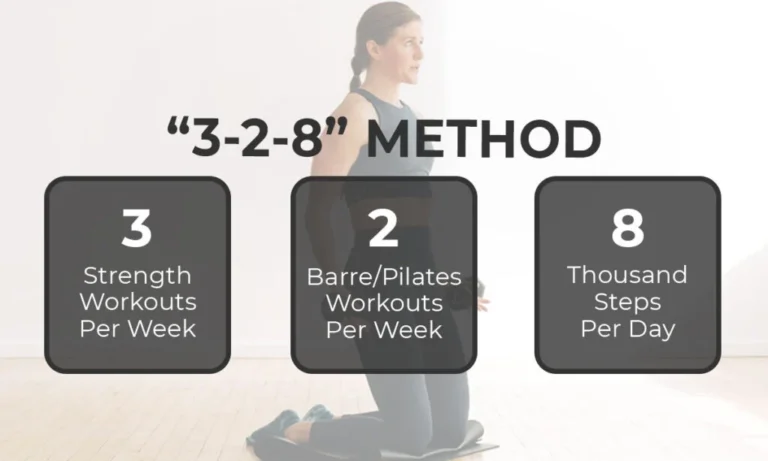
2. Follow the 3-2-8 Blueprint
The most efficient way to balance these is the 3-2-8 Method:
3 Days of Strength: Focus on compound lifts.
2 Days of Mobility/Pilates: Focus on core control and lengthening.
8,000 Steps: Low-impact movement to flush out toxins and aid in muscle recovery.
3. Fuel the Repair
Your connective tissues (tendons and ligaments) require specific nutrients to stay elastic. Ensure you are hitting your protein goals with single-ingredient snacks and supporting your nervous system with Magnesium to prevent chronic tightness.
The Bottom Line
Whether you are starting your fitness journey or you’re a seasoned athlete, remember: Movement is a skill. By combining strength and mobility, you aren’t just building a body that looks good; you’re building a body that works. You owe it to yourself to be as functional as you are strong.
Want a specific routine to help you bridge the gap? Check out our latest guides on se7ensymbols.com and take control of your hardware today.